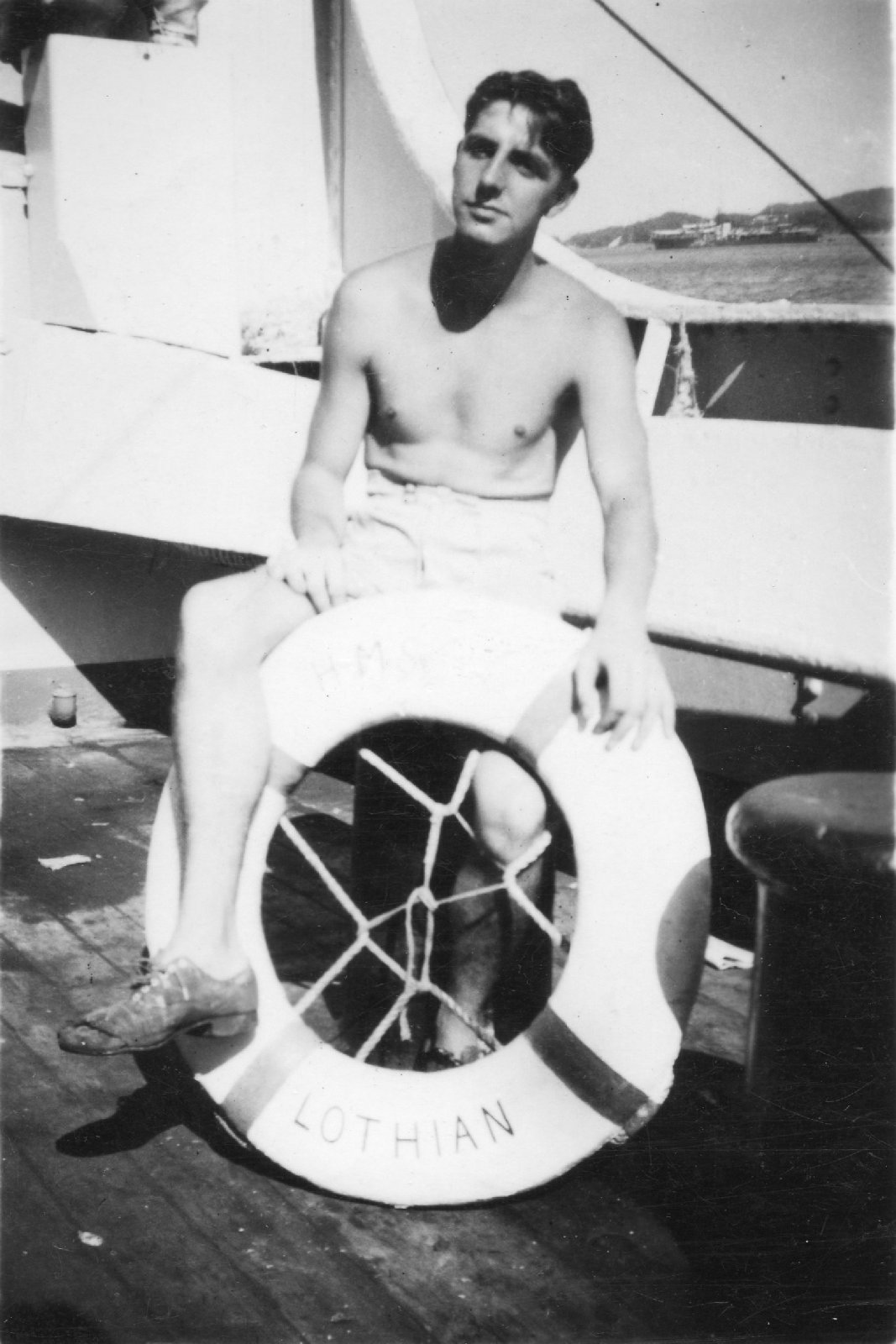
HMS LOTHIAN 1944-46
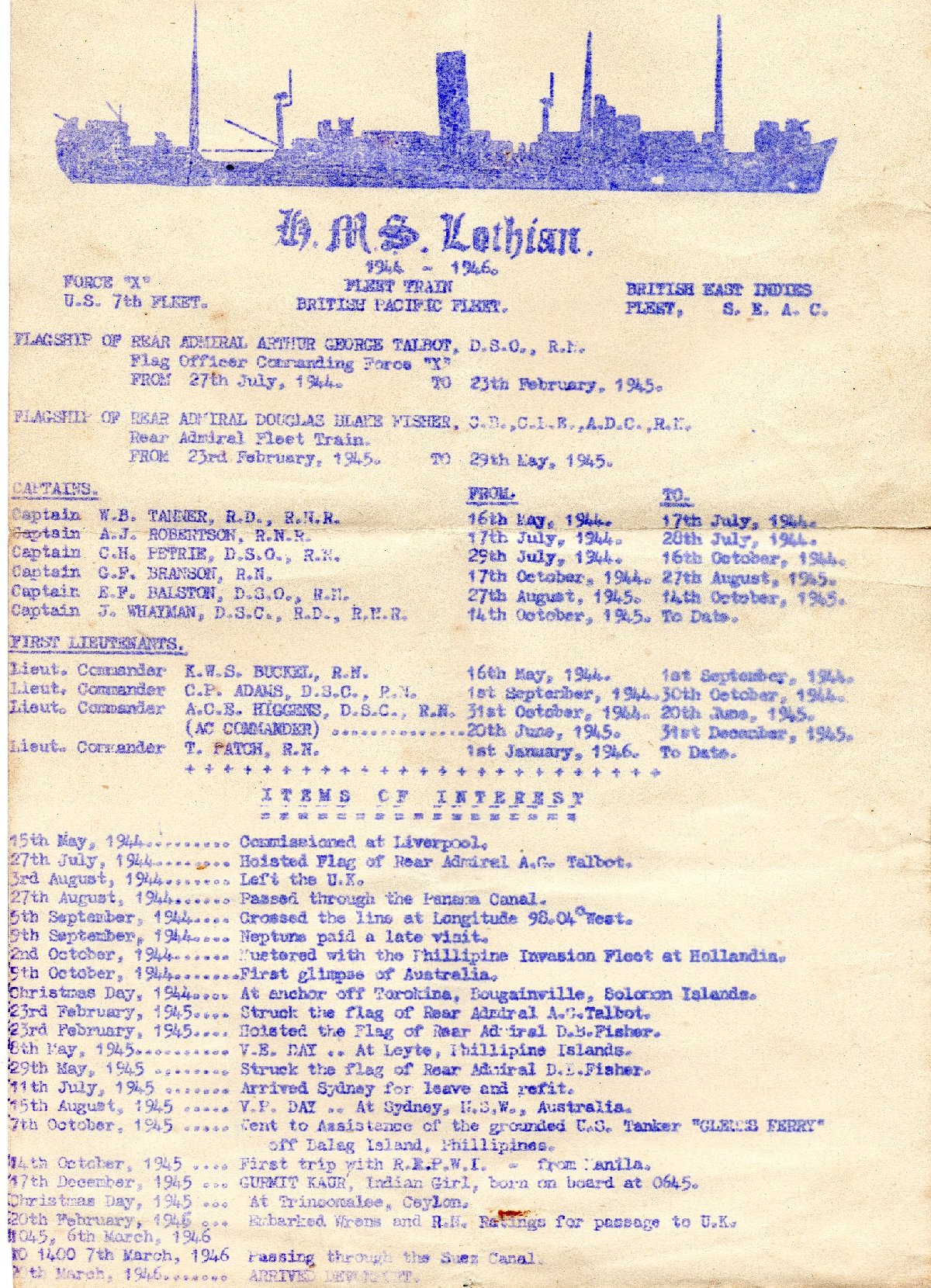
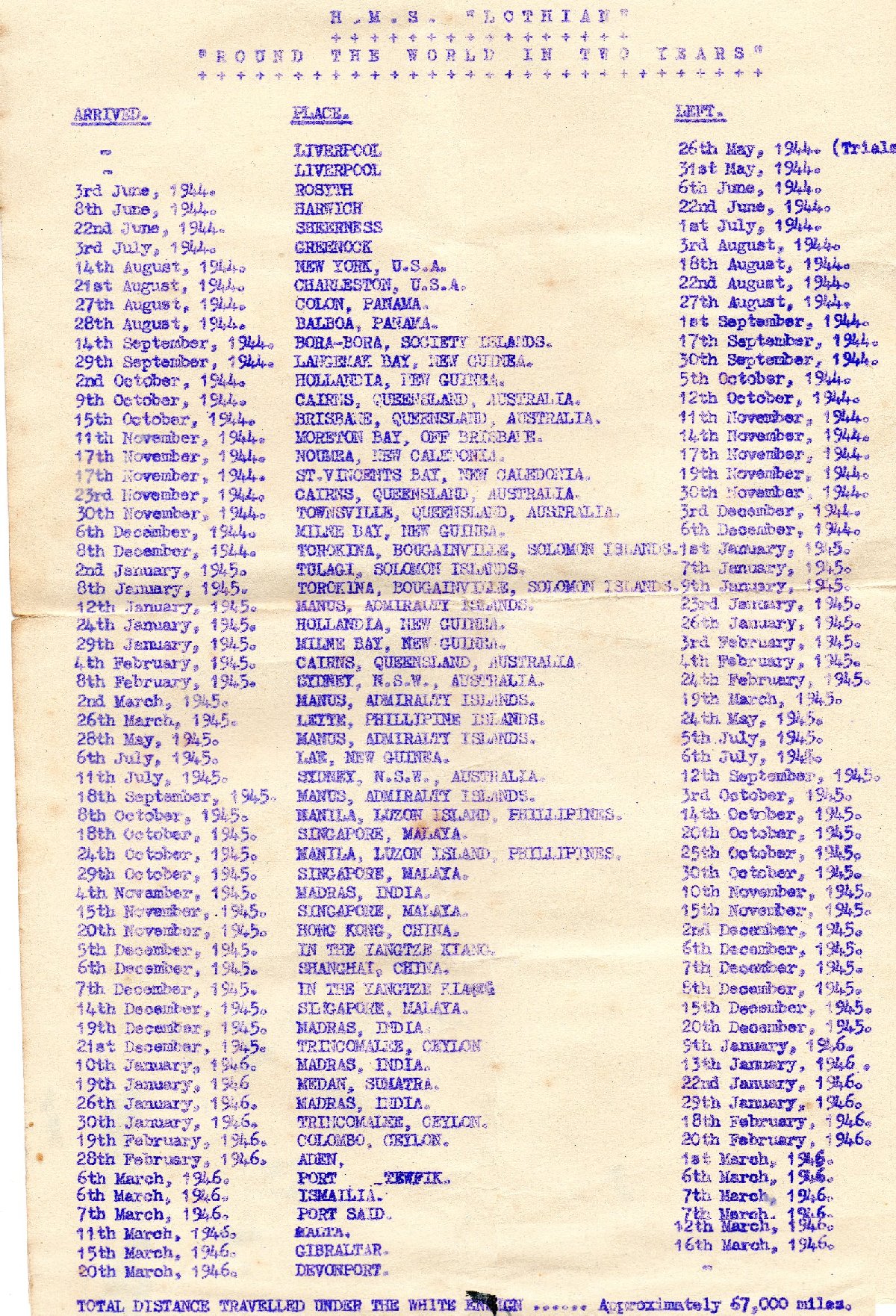
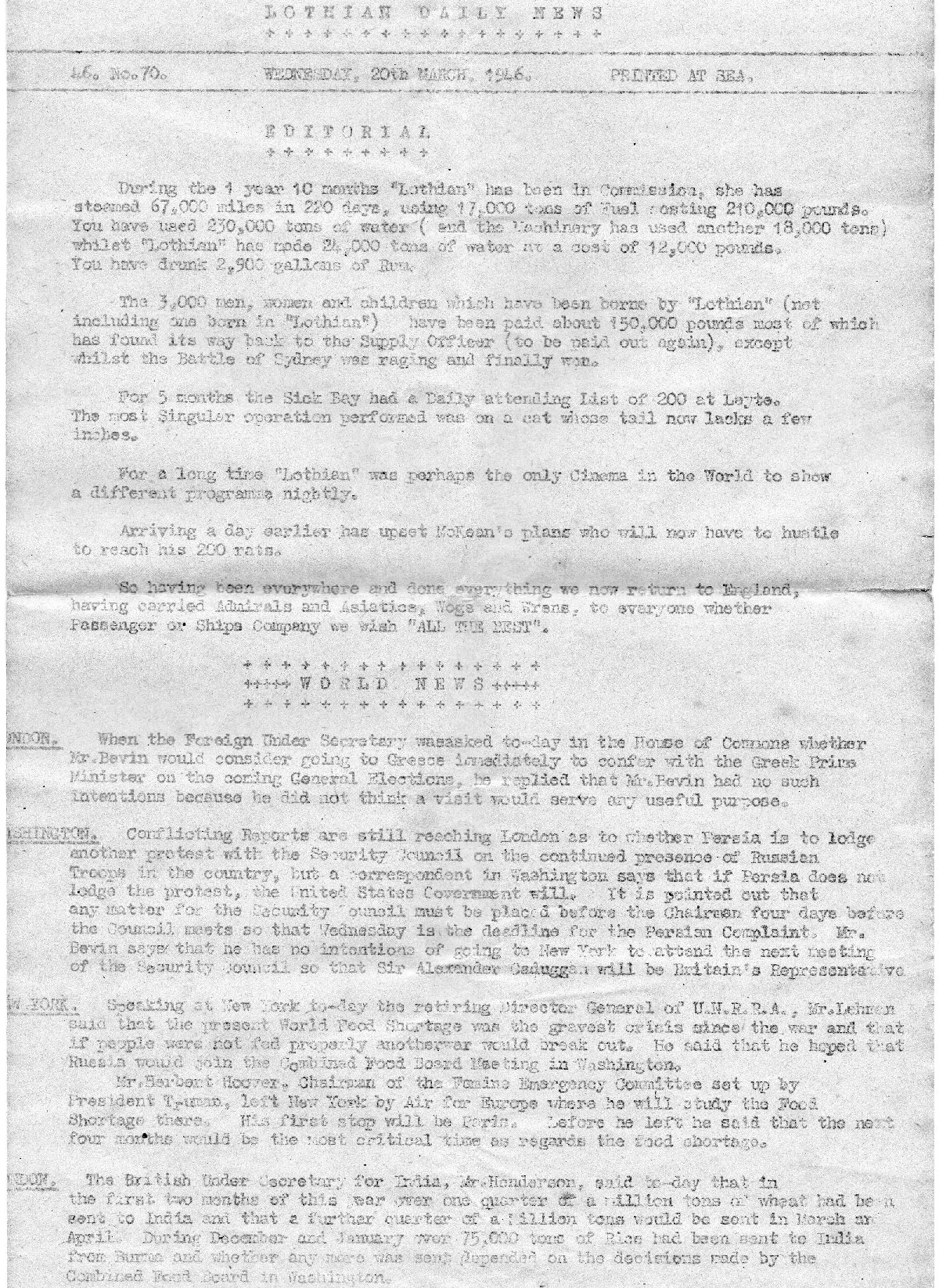
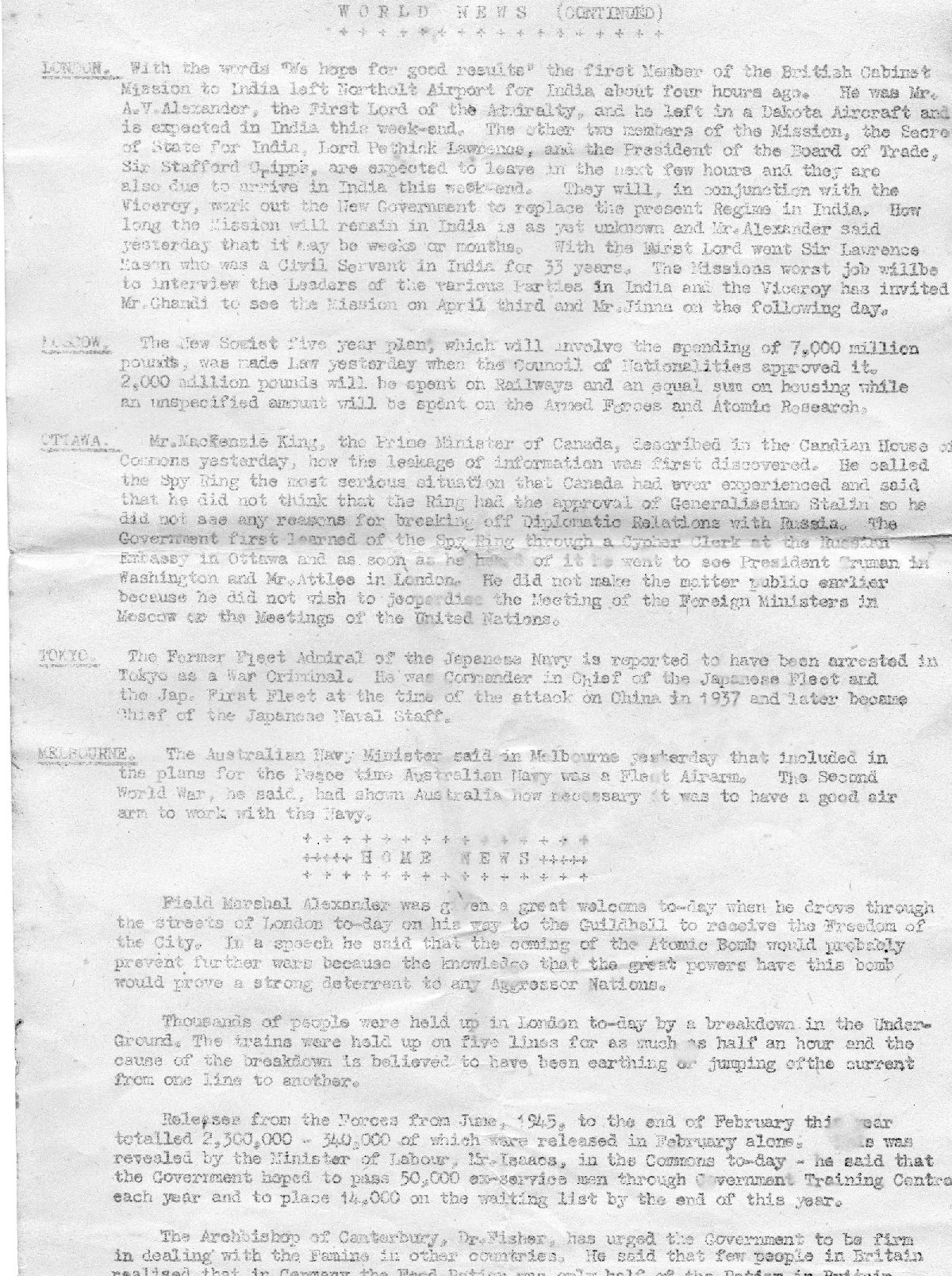
Going through some old family photos and documents my sister and I found these and thought there might be people out there who recognise some of these people and would like a photo. So here they are along with a copy of some sort HMS Lothian log, listing Captains and items of interest (even 1 birth) between 1944-1946. And a copy of the HMS Lothian's Daily News. Also there's some History found on the web.If you know anyone in the pictures or anything about the ship get in touch and share it

Sorry you have to type it in, but if we do it any other way we get tons of spam.Click on any of the photos and you can see high res version on that photo and your welcome to save, print or do anything with them short of selling them.
If you are an ex-crew member or know one send in details. We have heard from 2 surviving crew members and put those in touch with each other, unfortunately most emails are from people like myself who only found out after their father passed on, what he did in the war. Any photos or info welcome. Ex Crew or Families of, who have contacted us.
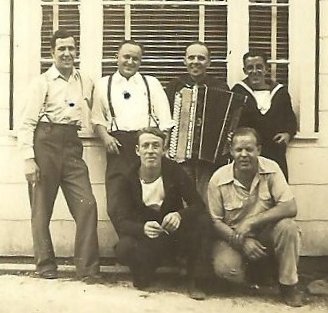
Joe Campbell, Herbert Watson, John S Jamieson (Jack), George C Paish, Charles Maurice Taylor (Joe), Patrick McNulty (scouse), William P Mulholland (Bill or Pete), Arthur Wood, Ken Shuker and Richard Greenwell.
News about this site
Plusnet/Force9/F9/Free-Online say they've taken the decision to transfer the running of their Email and Web Hosting to the provider Greenby who will manage the service going forward.
They began transferring data from 14th July 2025, so this website may or maynot be visible or even exist after this. As yet we can find no details of how this changeover will work but if we loose the website we will endevour to get it hosted elsewhere and add a link here if we still have access here.
UPDATE December 2025, although they still haven't moved this account yet we've copied it to a new site on my account, so you can find it at http://www.handford.f9.co.uk/hmslothian/index.htm, at present you'll have to click to go there but in the future this may automatically redirect you there.
And Yes we are still getting info coming in we've had 3 people contact us this year.
|
 |
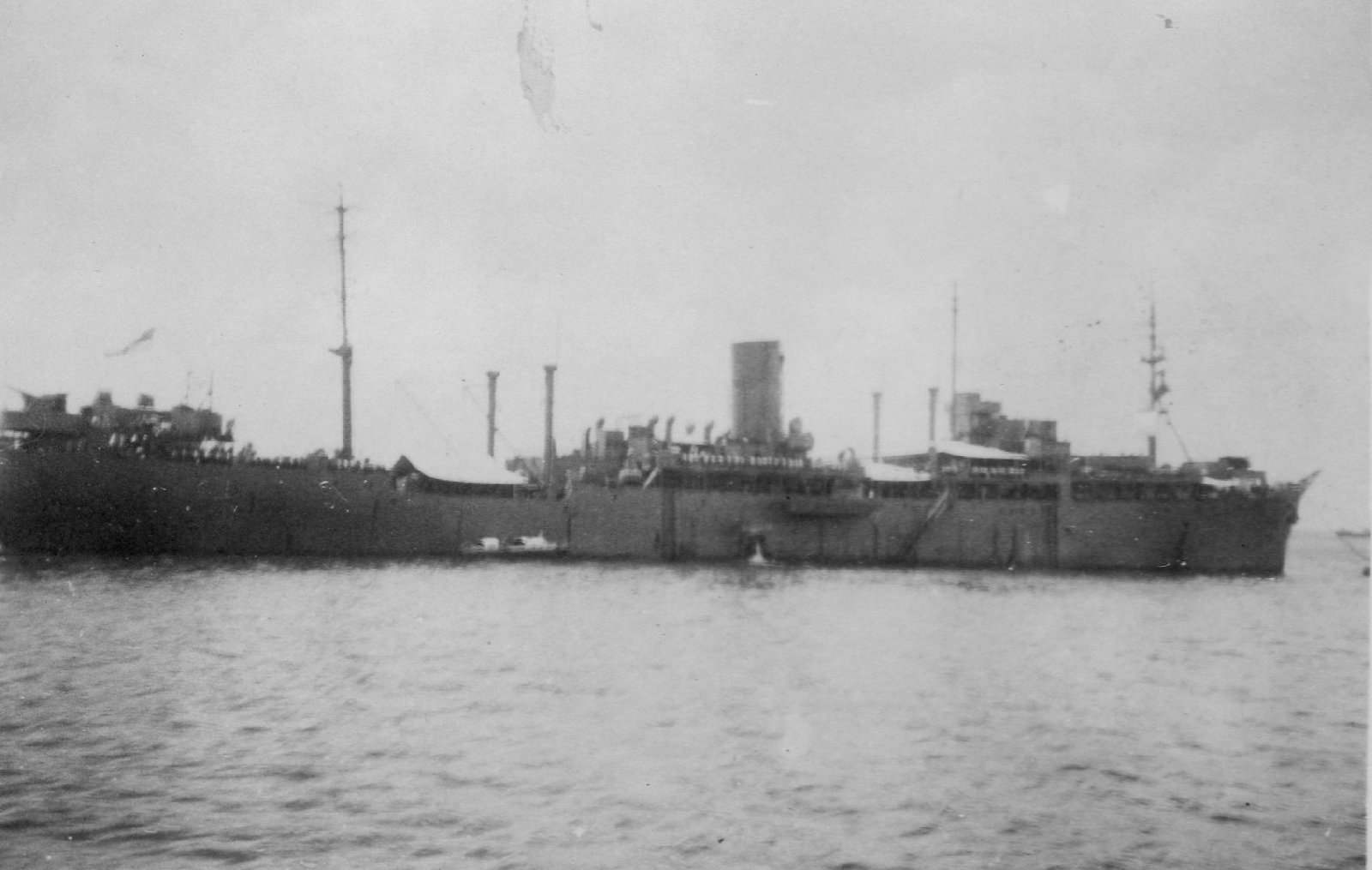 |
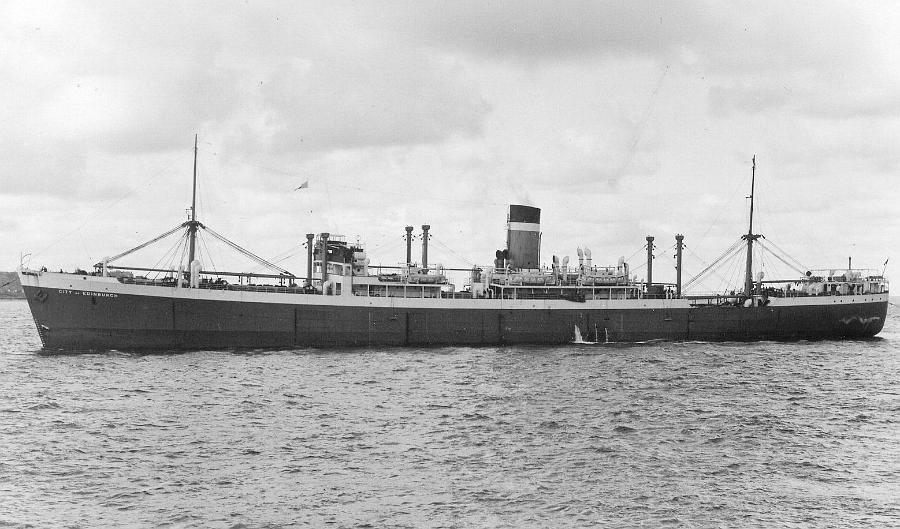
This may be the Lothian down-under but we can't be sure? |
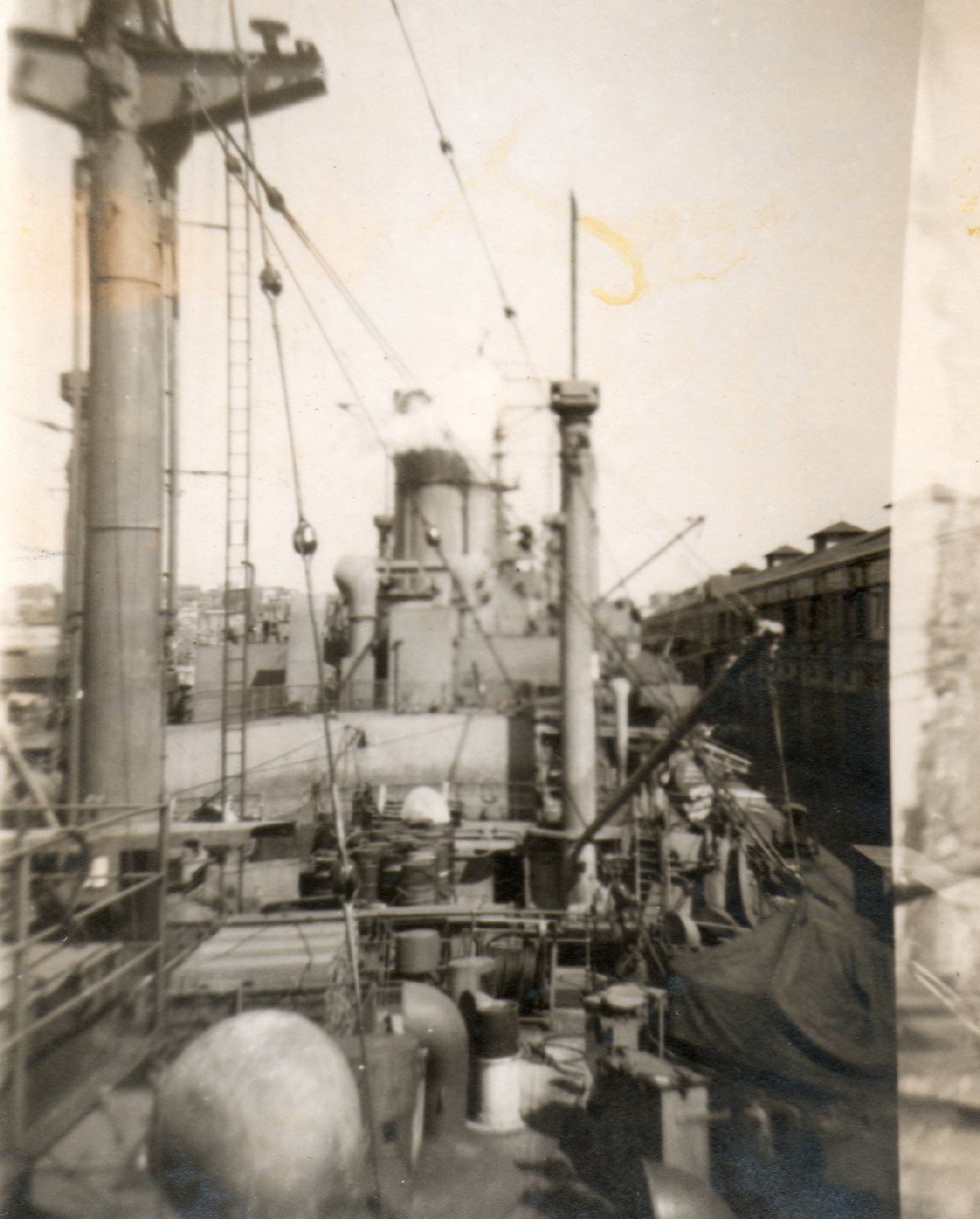
Were guessing these shots were taken on board |
 |
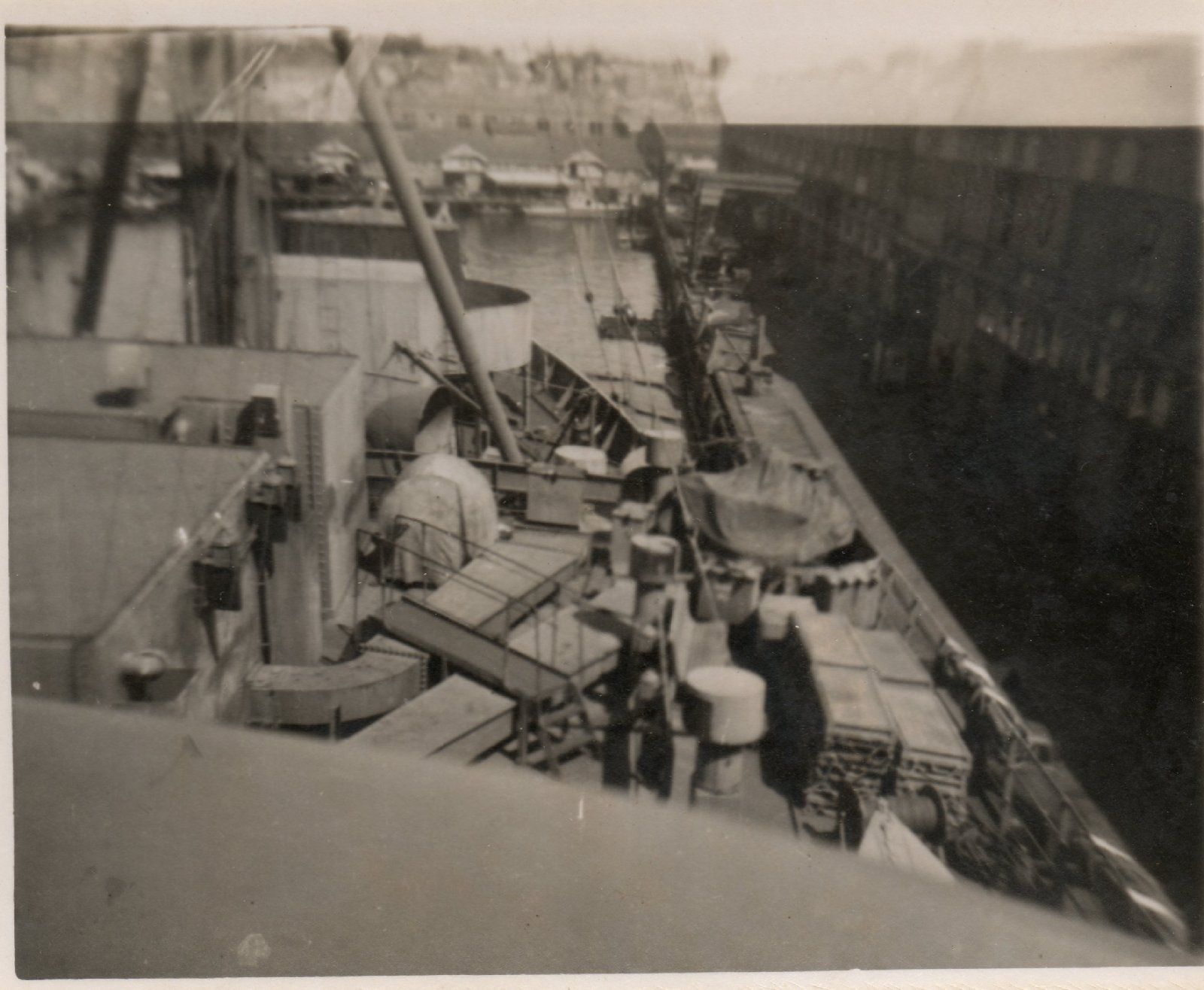 |
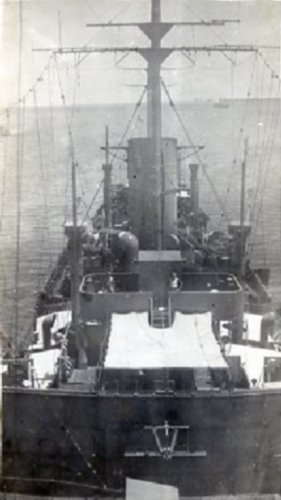
Looking at features in these photos they all appear to be the same ship |
A Kenneth Shuker photo which appears to be looking aft |
|
| The | send off |
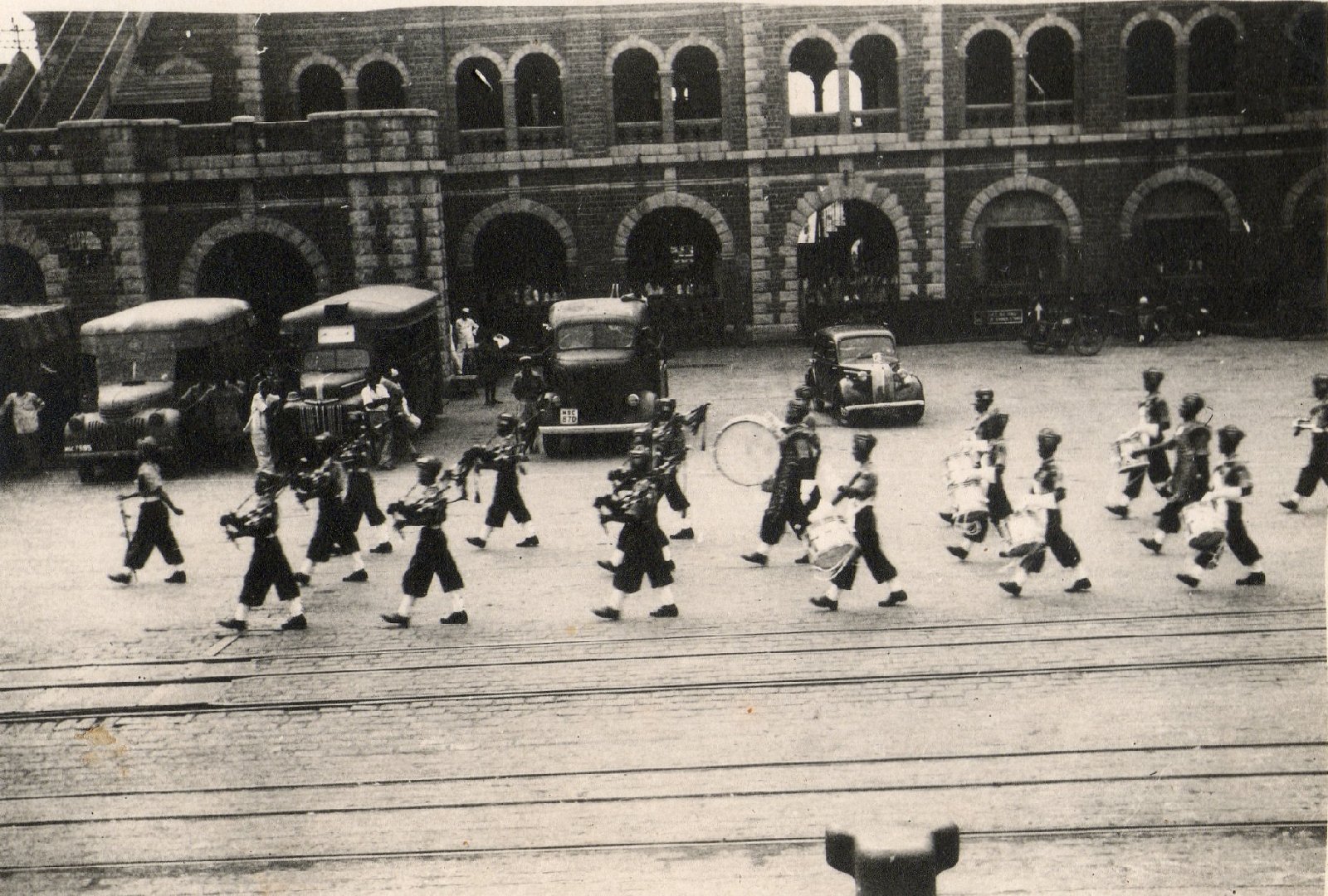 |
Could the send off or it's arrival or neither |
|
The
|
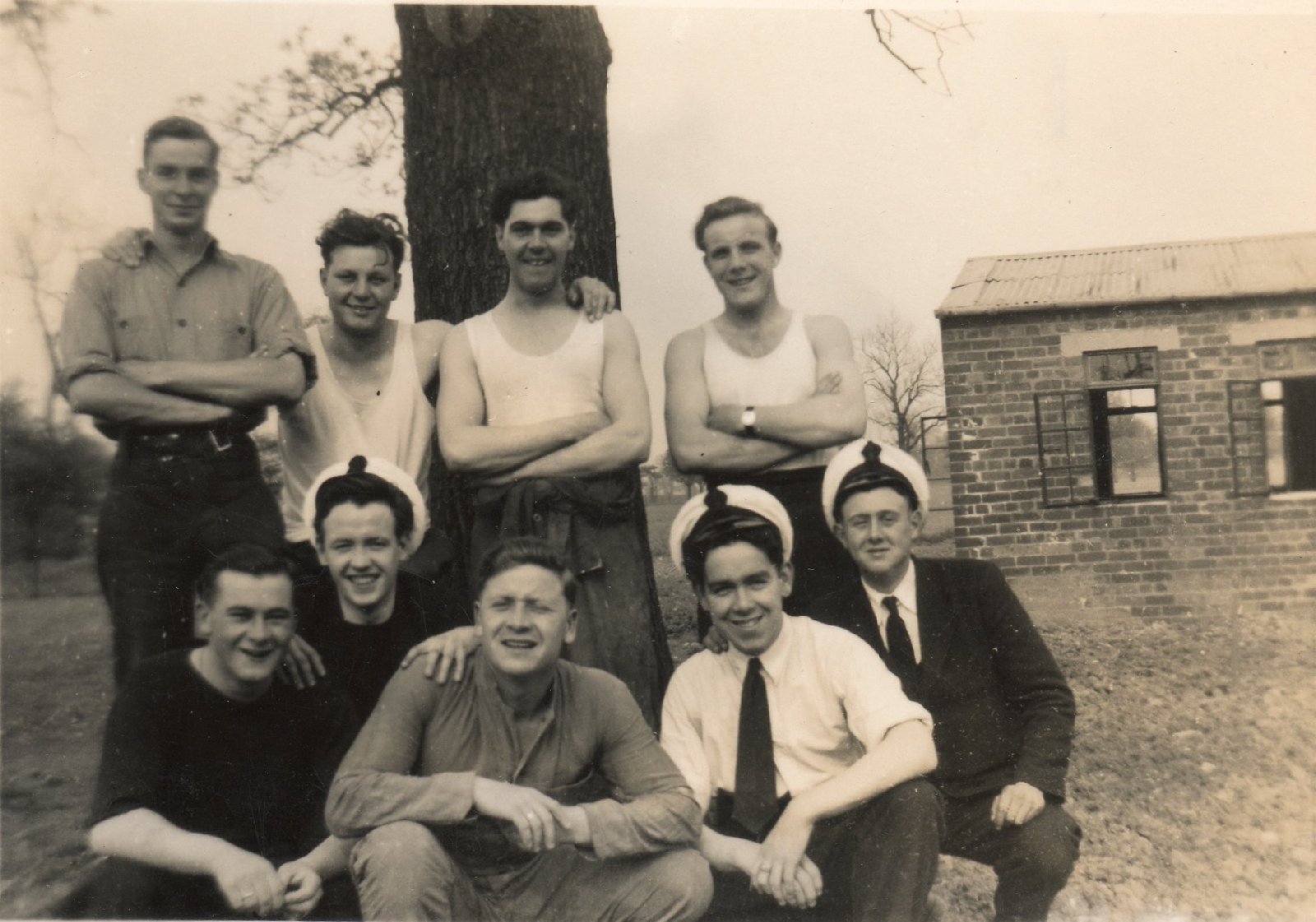
Crew |
|
 |
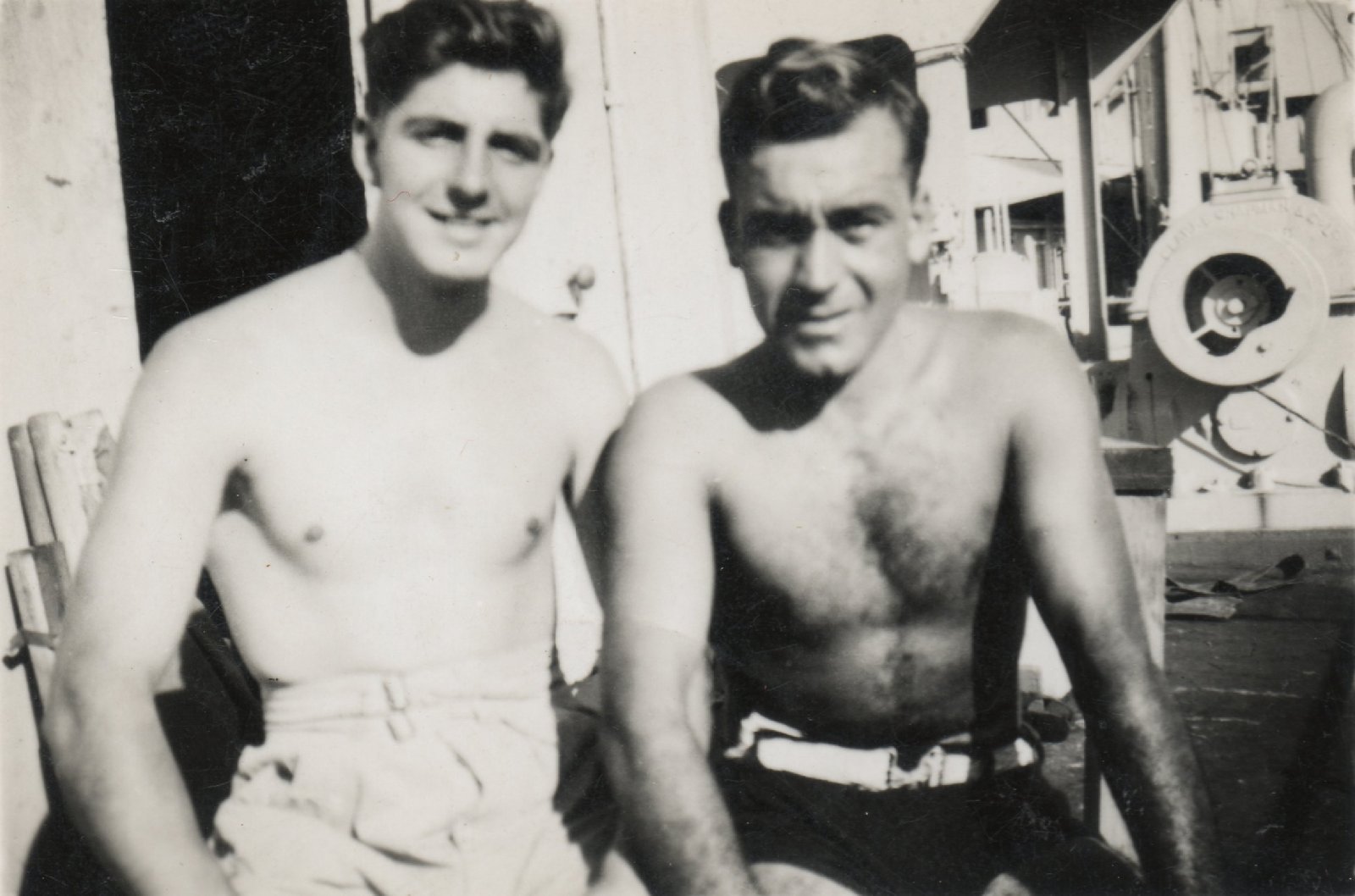 |
We believe the chap on the right, to be Herbert Watson, from Peterborough, England. He still lives in Peterborough and was 90 last year (2013). |
|
|
 |
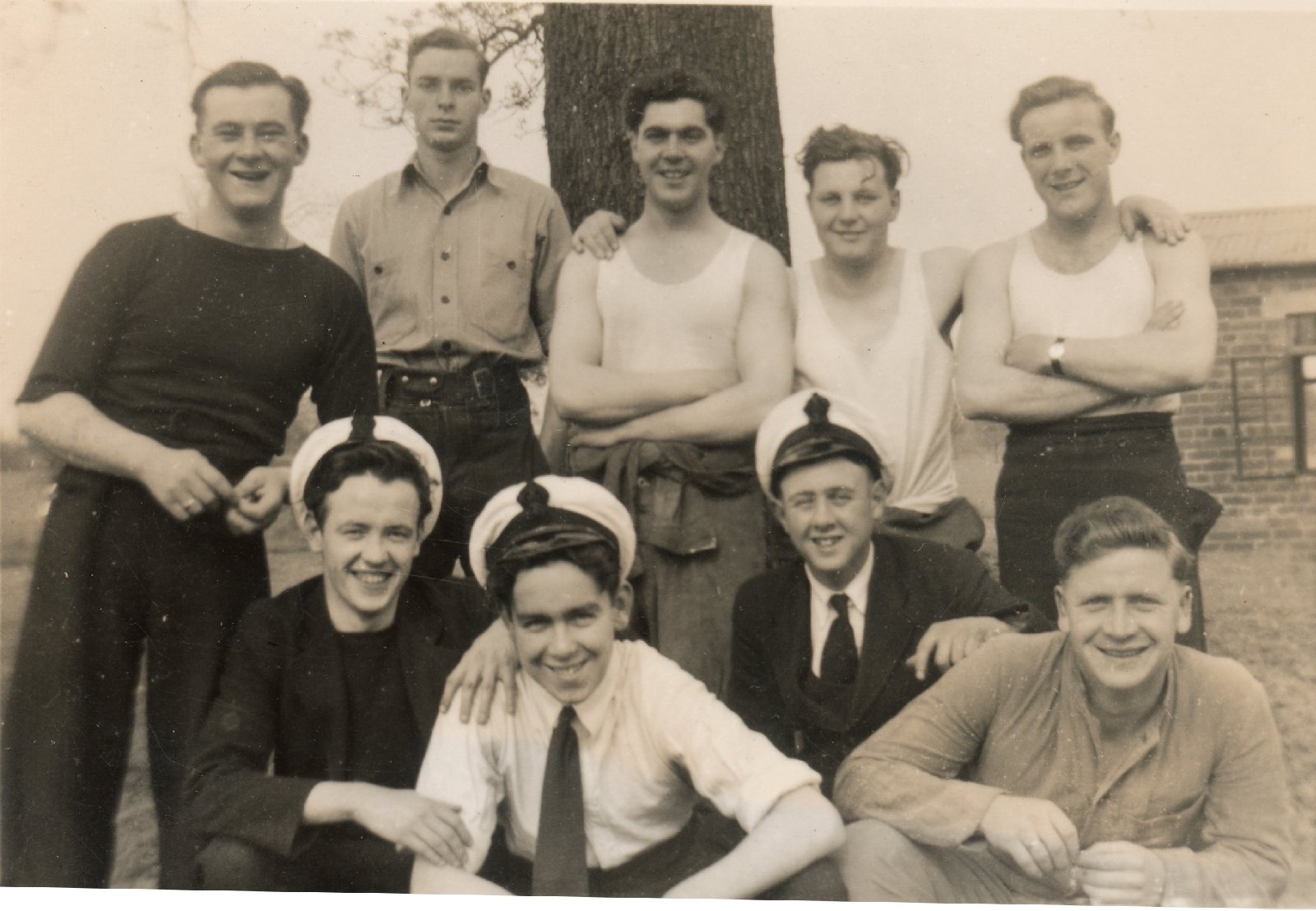 |
Eddie/Ted is second from right in the back row. |
|
 |
 |
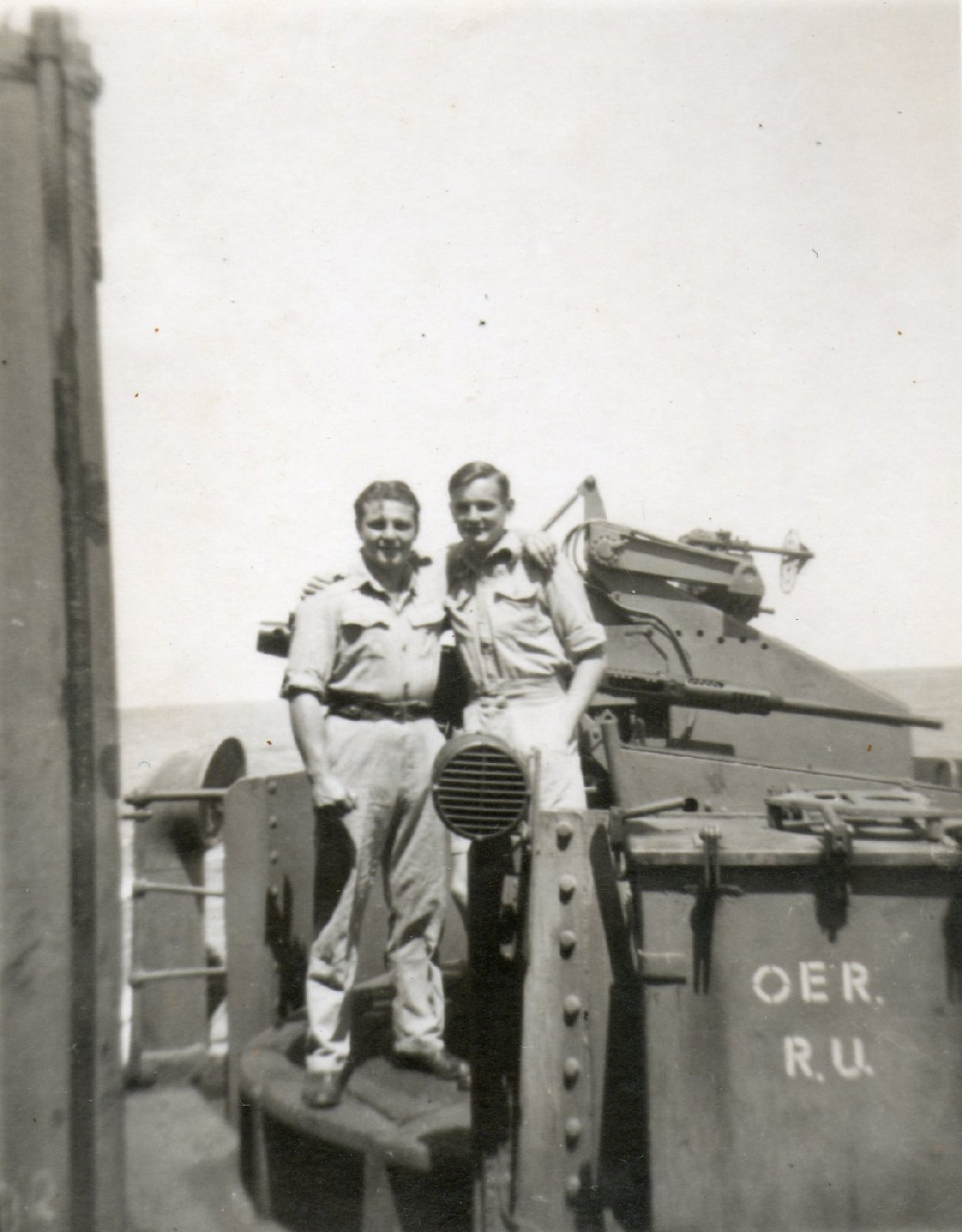
Eddie/Ted at the front of this one. |
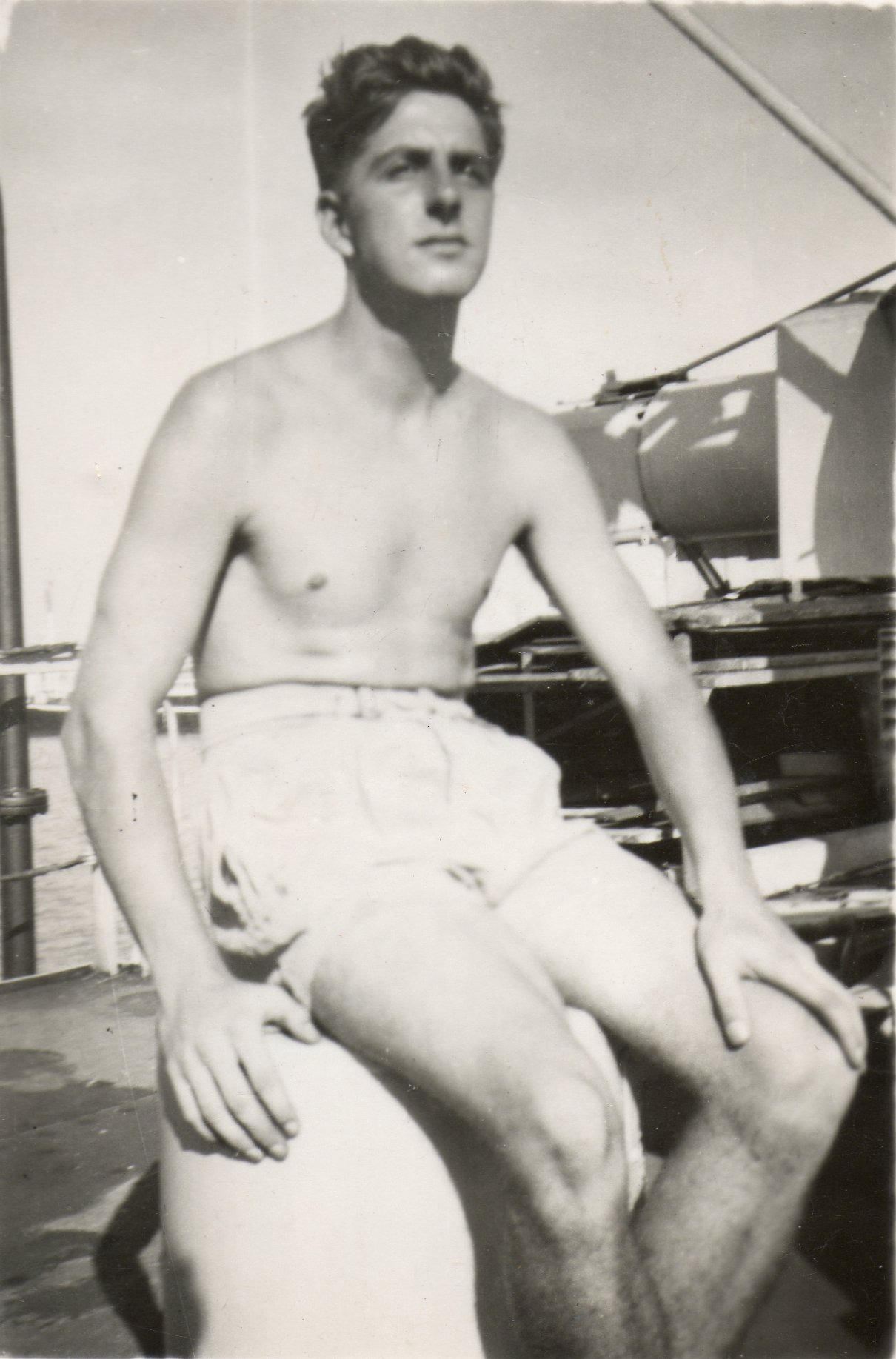 |
|
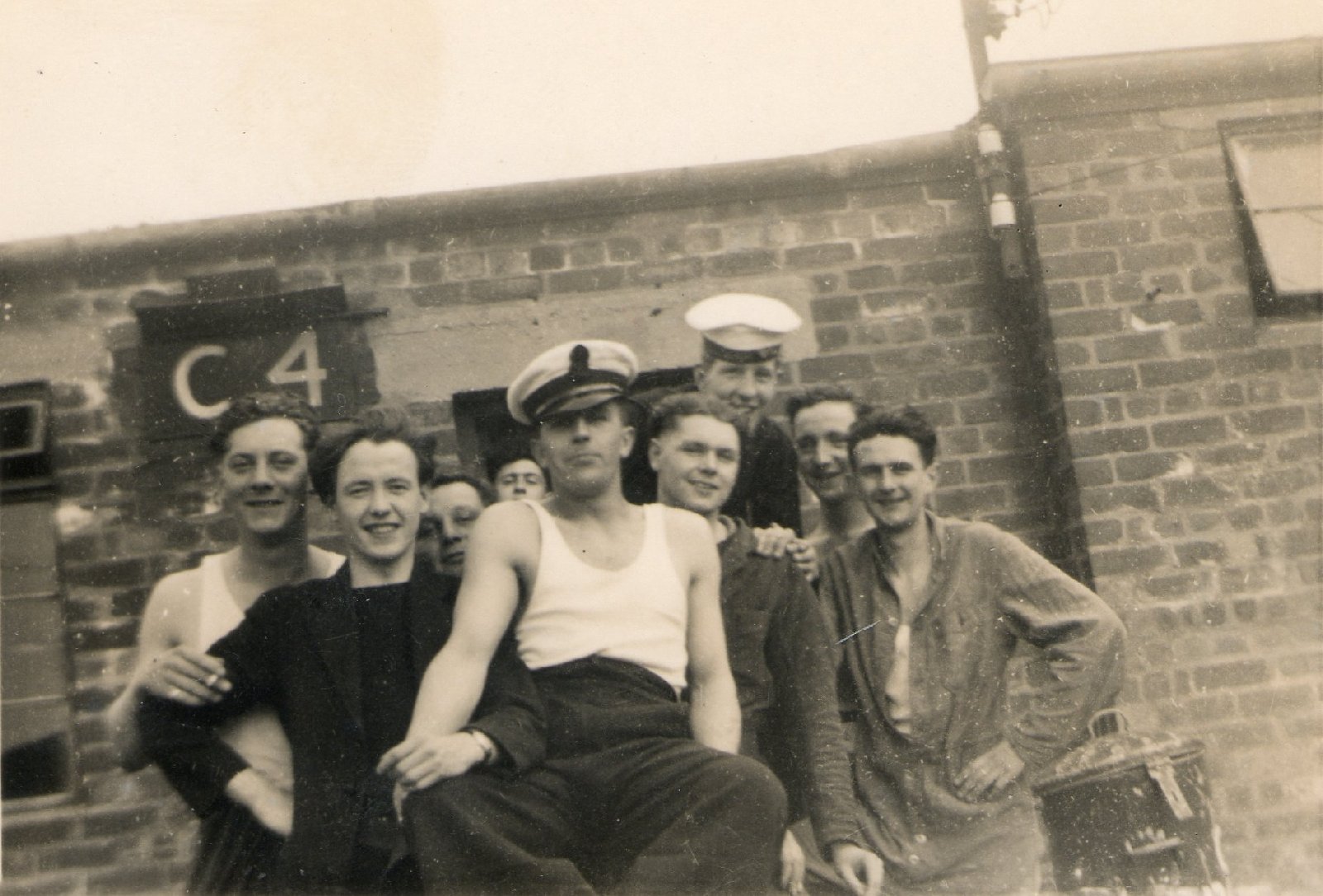 |
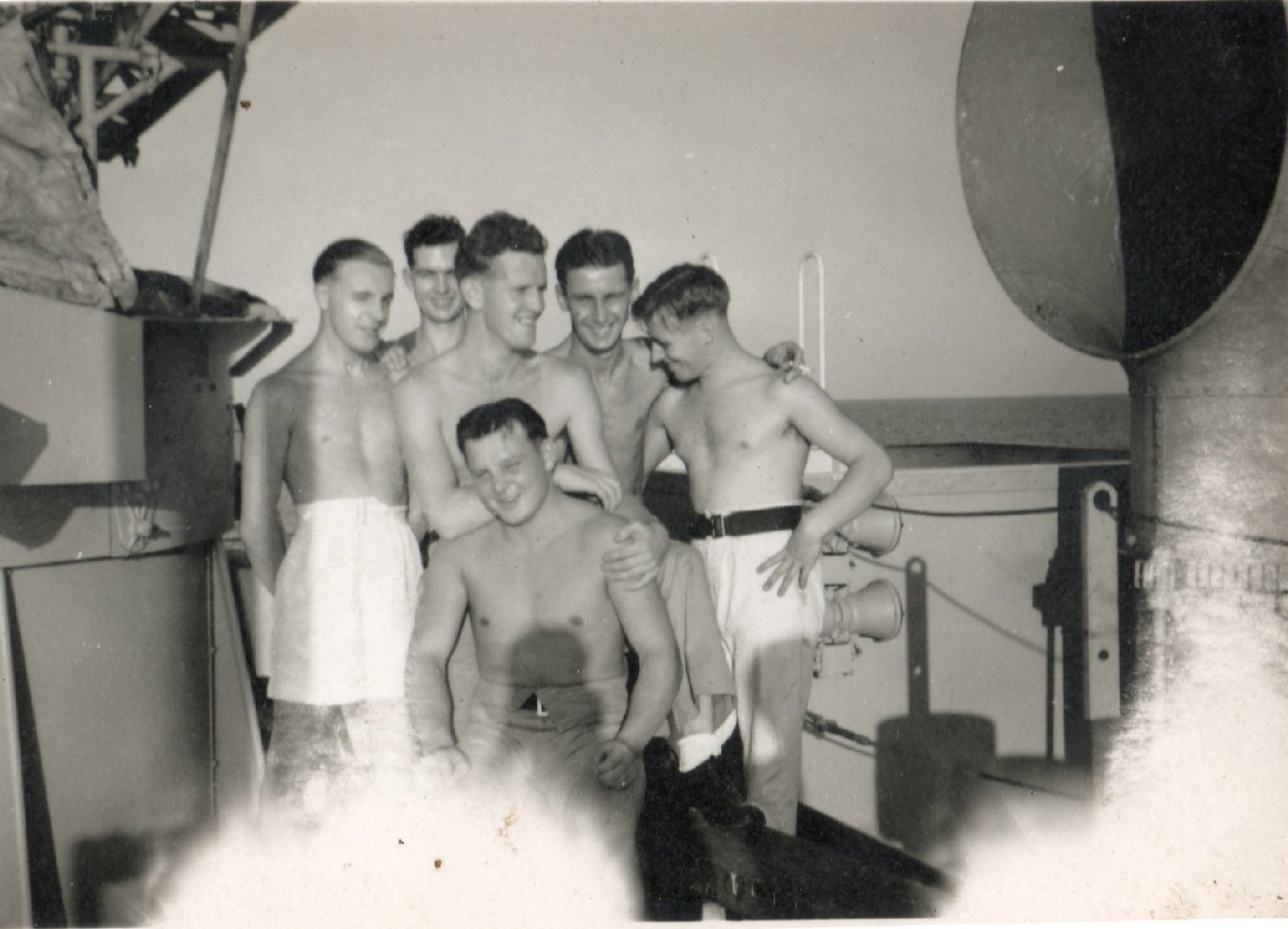
Eddie/Ted 3rd from the left |
|
|
UPDATES You may wonder if people still get in touch about members of the crew? Well it's Sept 2024 and yes they do, we've had two so far this year. So if you have a relative, living or dead, who was on the Lothian get in touch.
|
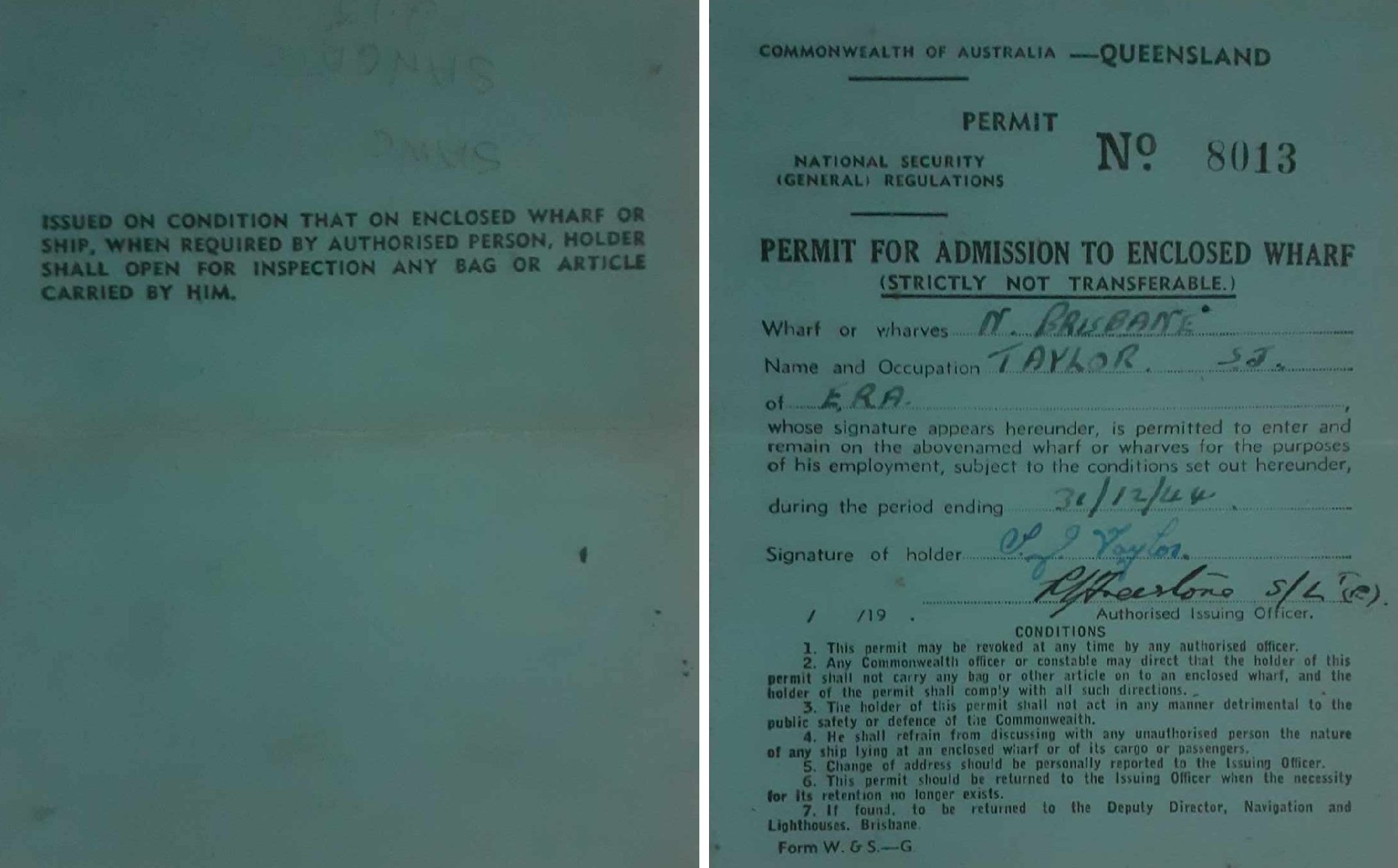 |
Sadly I did not find any Naval photo's but I did find a Pass Card as attached. It puts my Father in Brisbane Port on New Year's Eve 1944. |
|
Just musing over memories with my 97 year old ailing father, David Gowers. He was one of the Combined Services Ops ratings involved in the Panama mutiny. Are there any other survivors of this time that are known about ? |
|
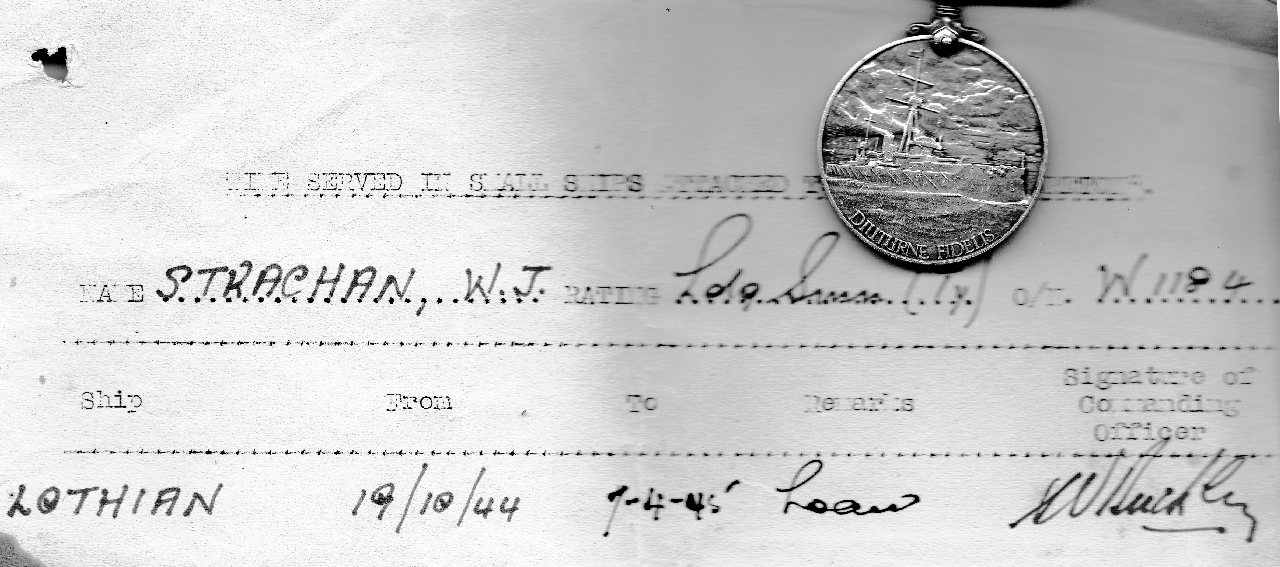 |
Francis Hall was a Flying Officer in RAF (Signals) and his record shows him serving on the Lothian. Sent in by Son John, who says For
years I have been puzzled about a medal that was awarded to my
late father William Joseph Strachan. The mutiny may have something to do with Dads posting. I can remember him telling me, he was loaned to the British navy to drum discipline into some sailors. There is no mention of the medal on Dads navy records.
|
|
Lionel H. Wright , known as
Tony(passed away in 2008) was in the RAF as a radio operator and
onboard the Lothian in the latter part of the war. He always
said he'd been around the world and down both major canals.
Sydney also featured in some war stories. |
|
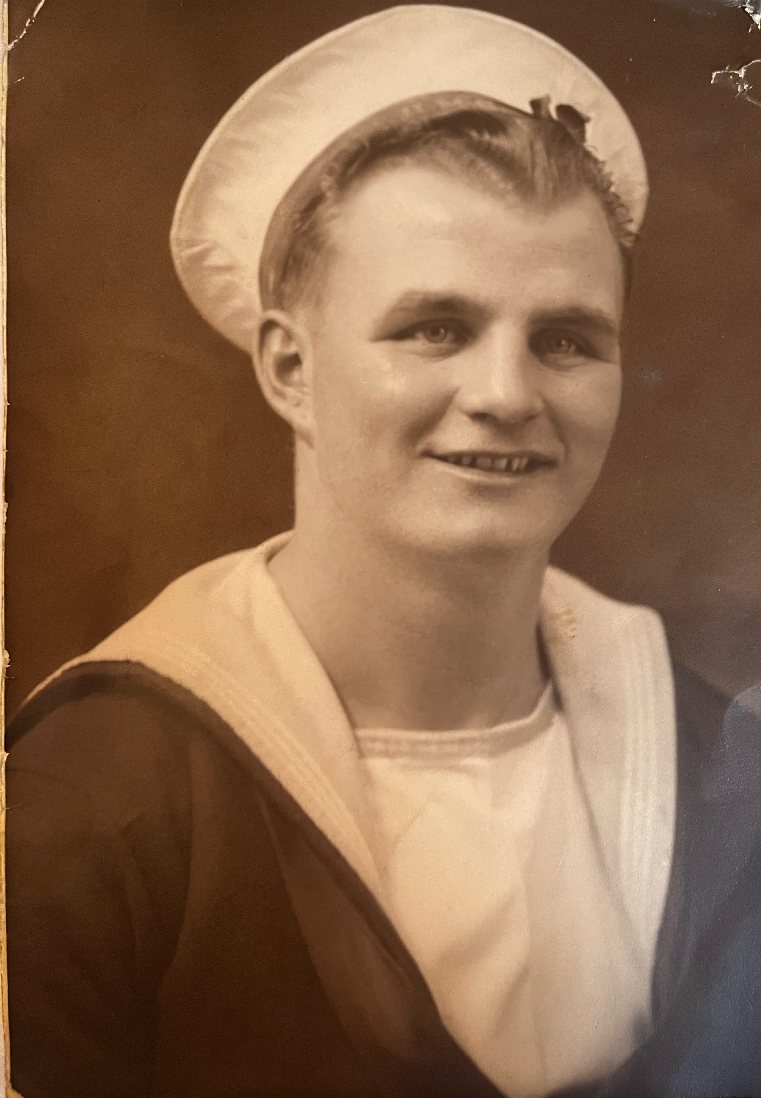 |
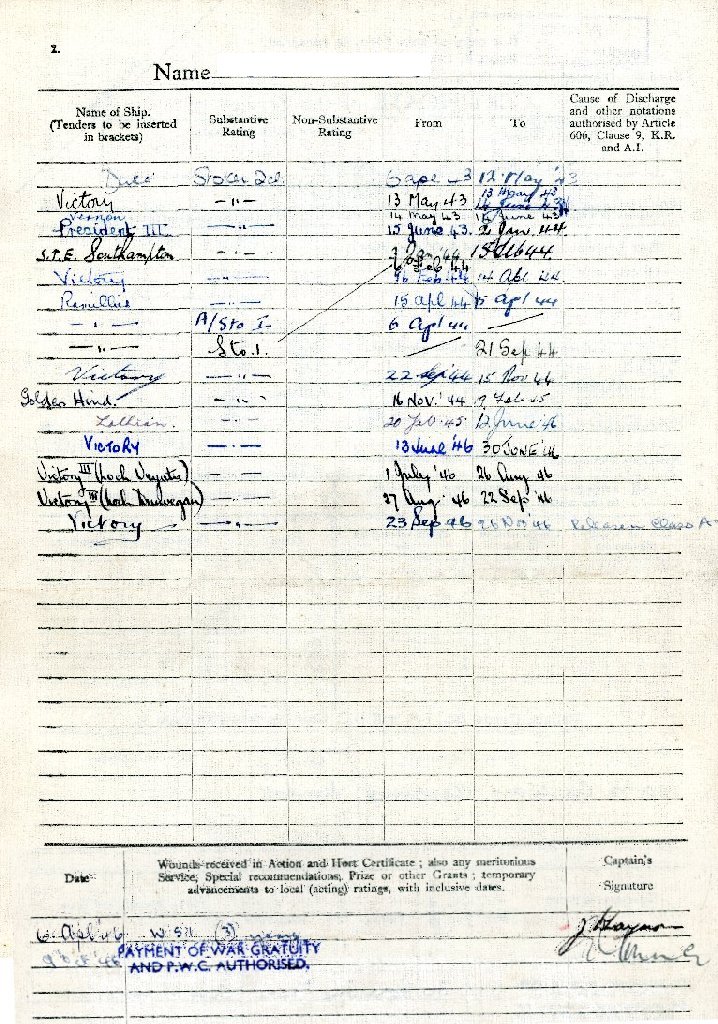
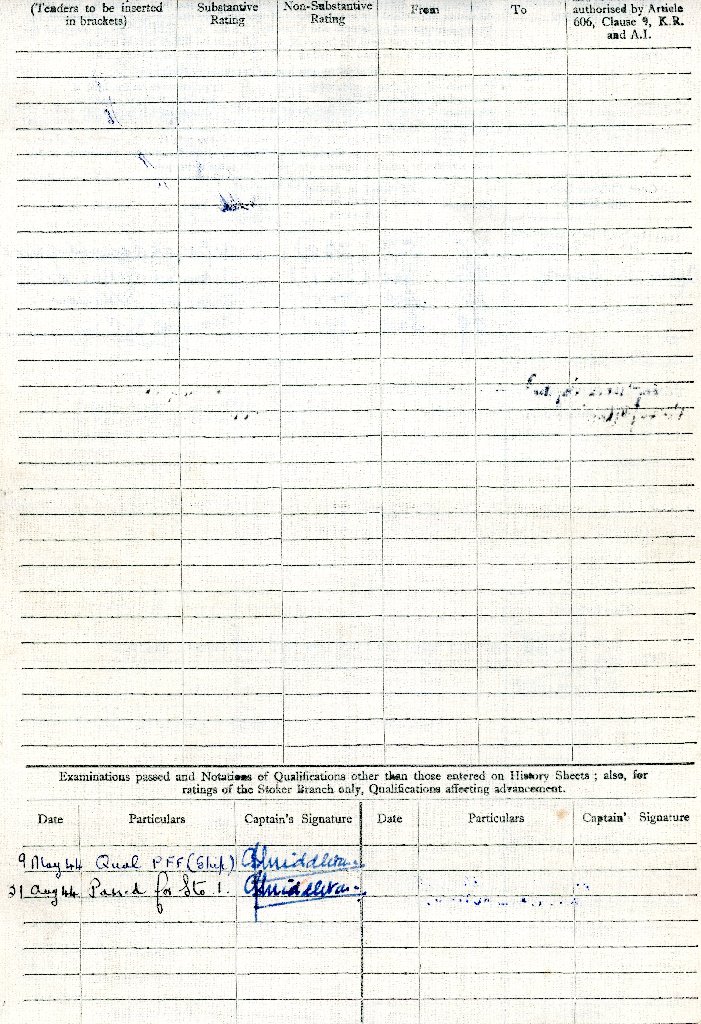
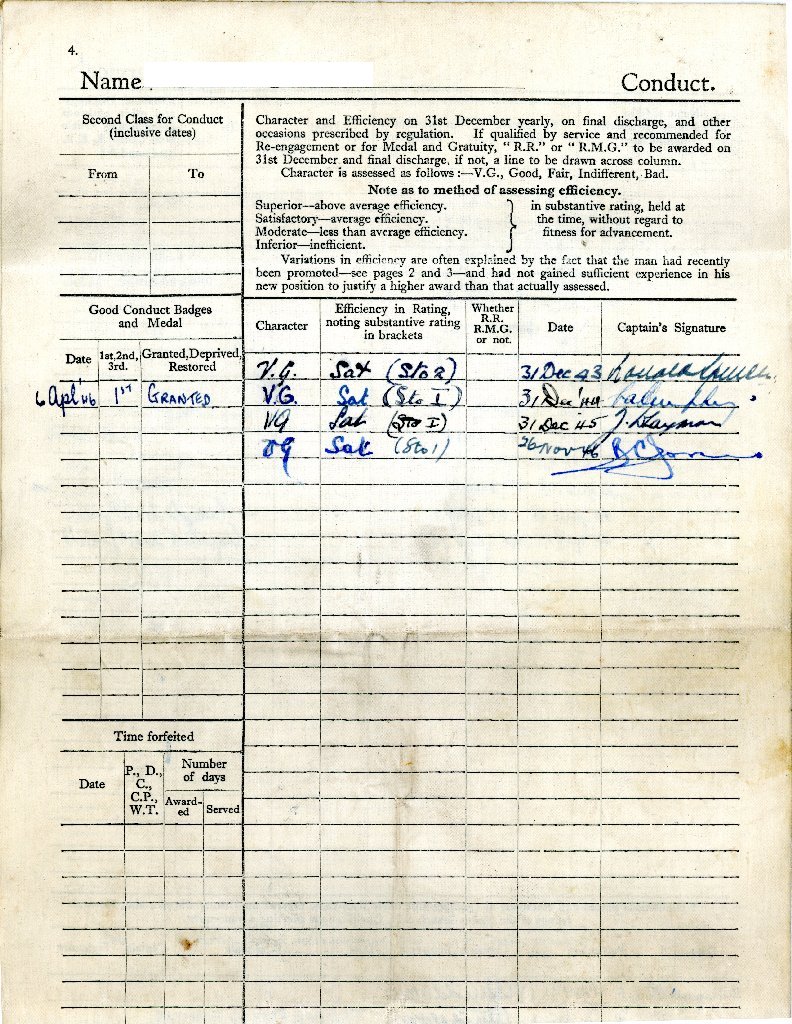
Richard Greenwell, Stoker 1st
Class, who served on HMS Lothian from 16 May 1944 until 14 May
1946.
Sent in by Grand daughter Leah.
|
|
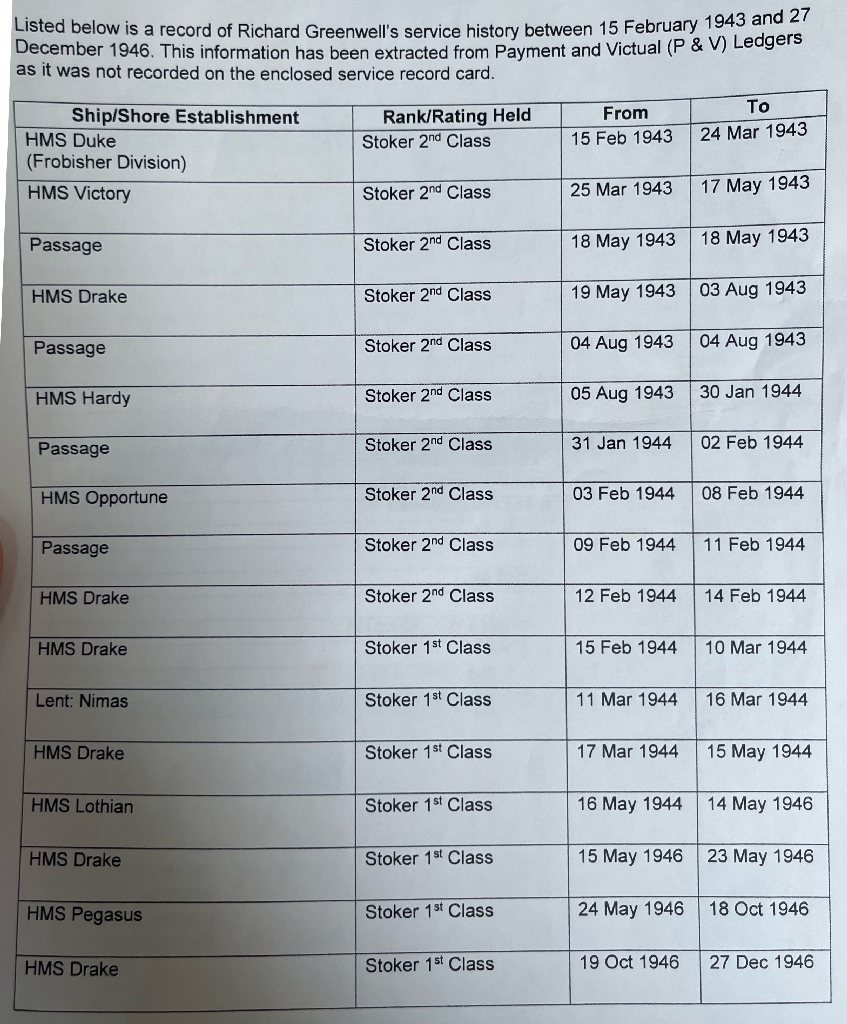
Richard Greenwell's Service
History, if you want yours or your relative's Service History
you can get it https://www.gov.uk/government/publications/military-service-records-form
and there is no charge.
|
 |
|
|
I was going through my Dad's naval records recently, searching
for information on the ships he served on when I came across your
website. My Dad passed away in 1993 so, like most others, this is
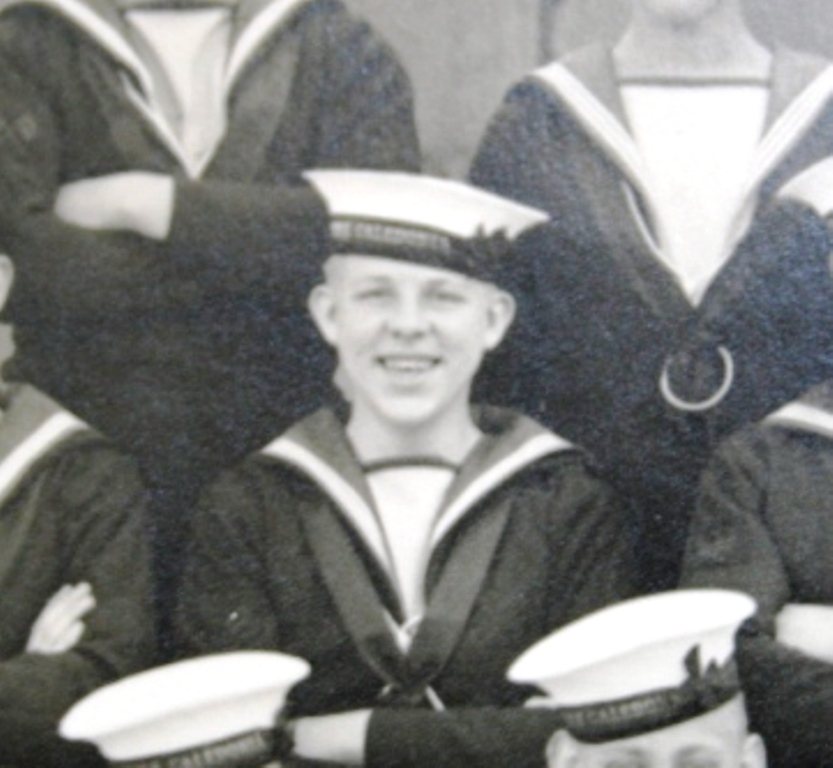
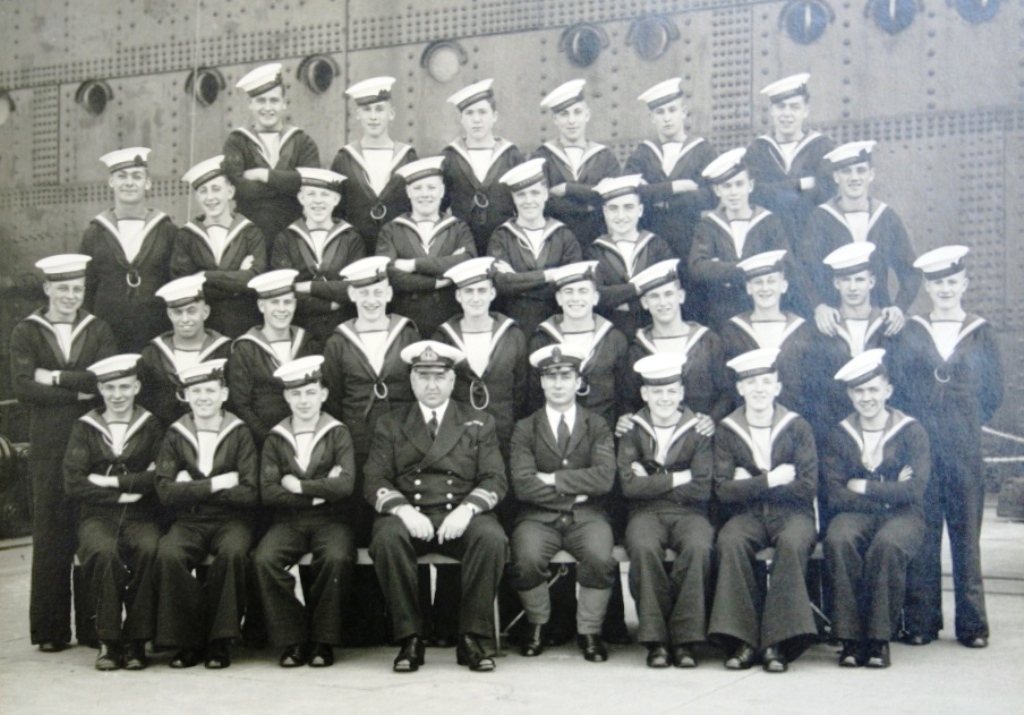
all after the event. He rarely spoke about his war service so I have no stories, but he was a 'boy sailor' from 1938 (age 16) signing up for his 12 year service in 1940. His name was Peter Hardcastle Jackson (service no. JX157465) and he served on HMS Lothian from 28th June 1944 until 15th February 1946 as a Leading Signalman. The only naval photos I have are attached. What we think is the end of his HMS Caledonia training in 1938 (my dad is 3rd row back, 3rd boy in on left). Thanks to his daughter Ashley |
Close up of Peter Hardcastle Jackson |
 |
|
|
|
|
 |
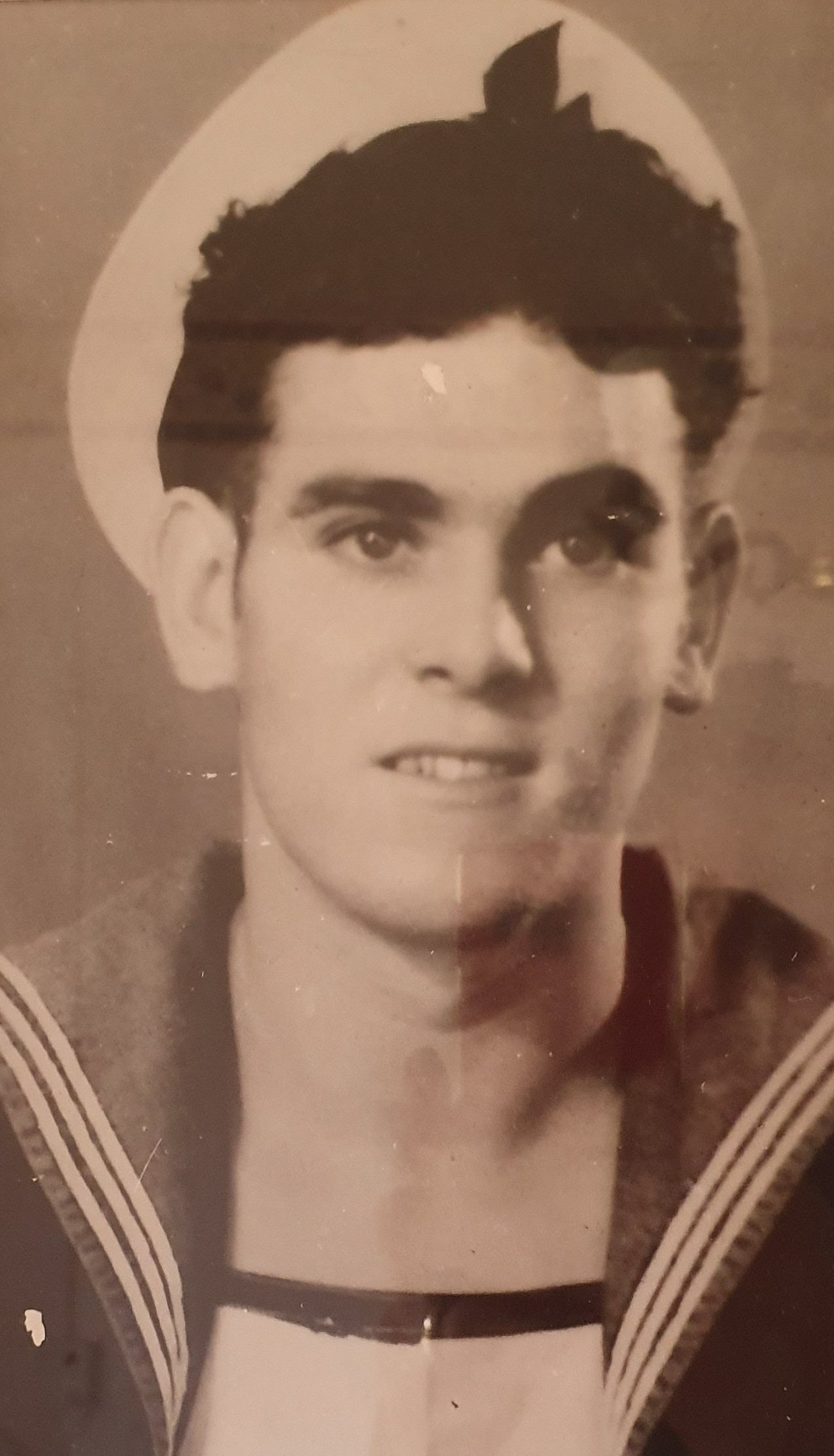 |
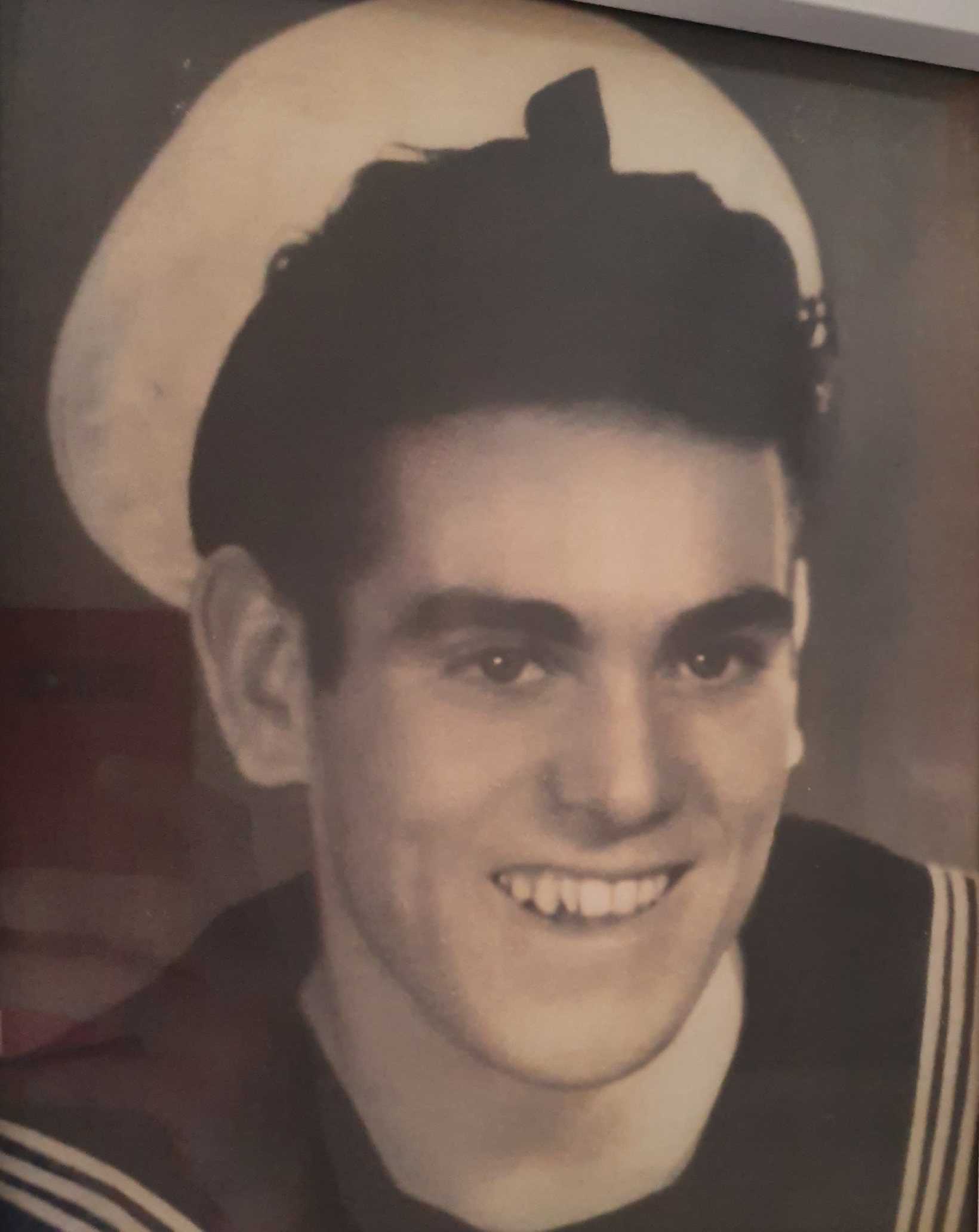
Ernest Holmes aka John, Jack or even Brummie |
|
 |
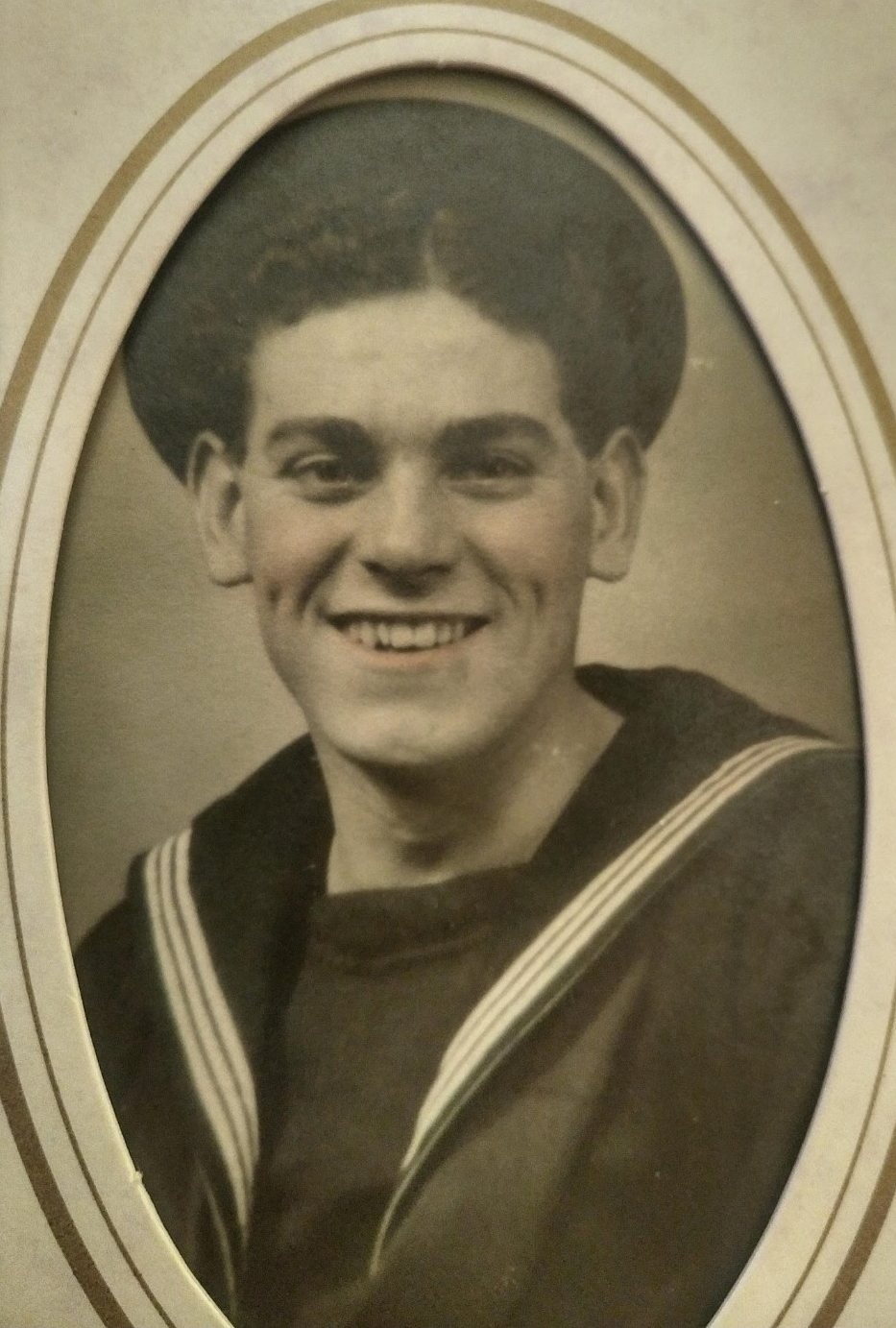 |
A slighly younger Ernest Holmes |
|
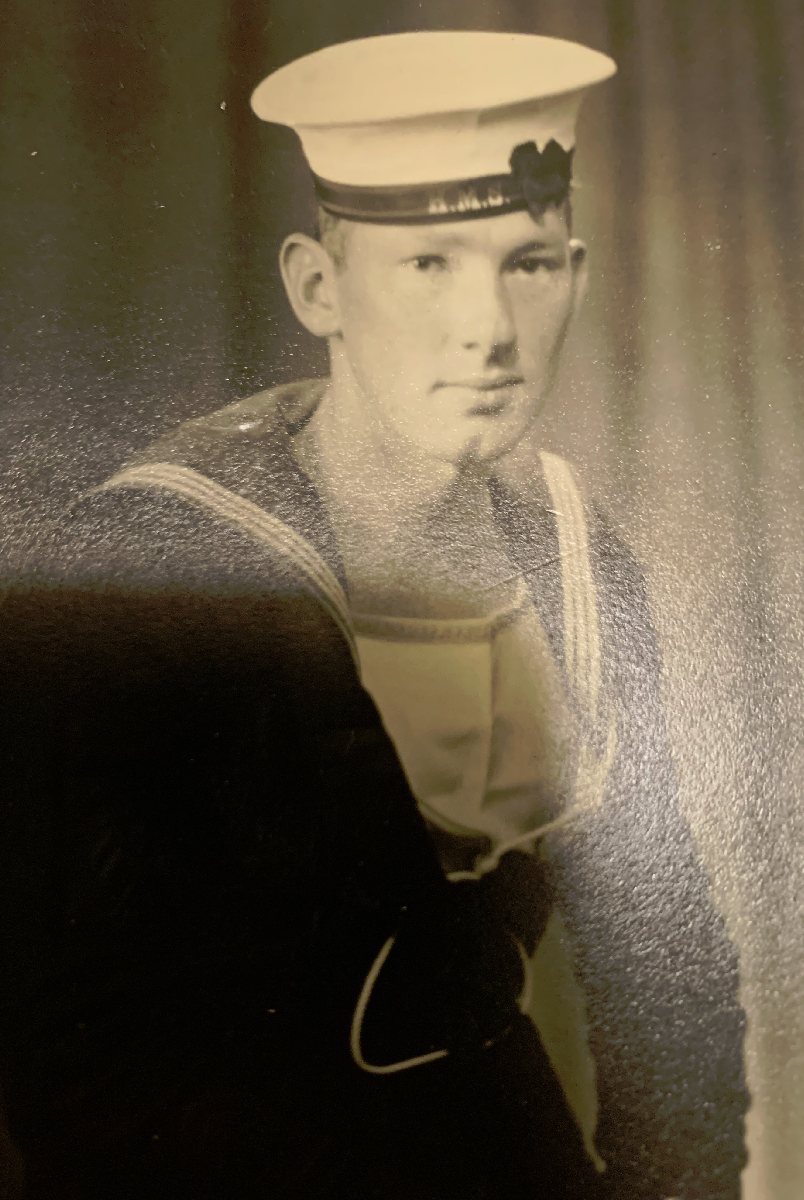 |
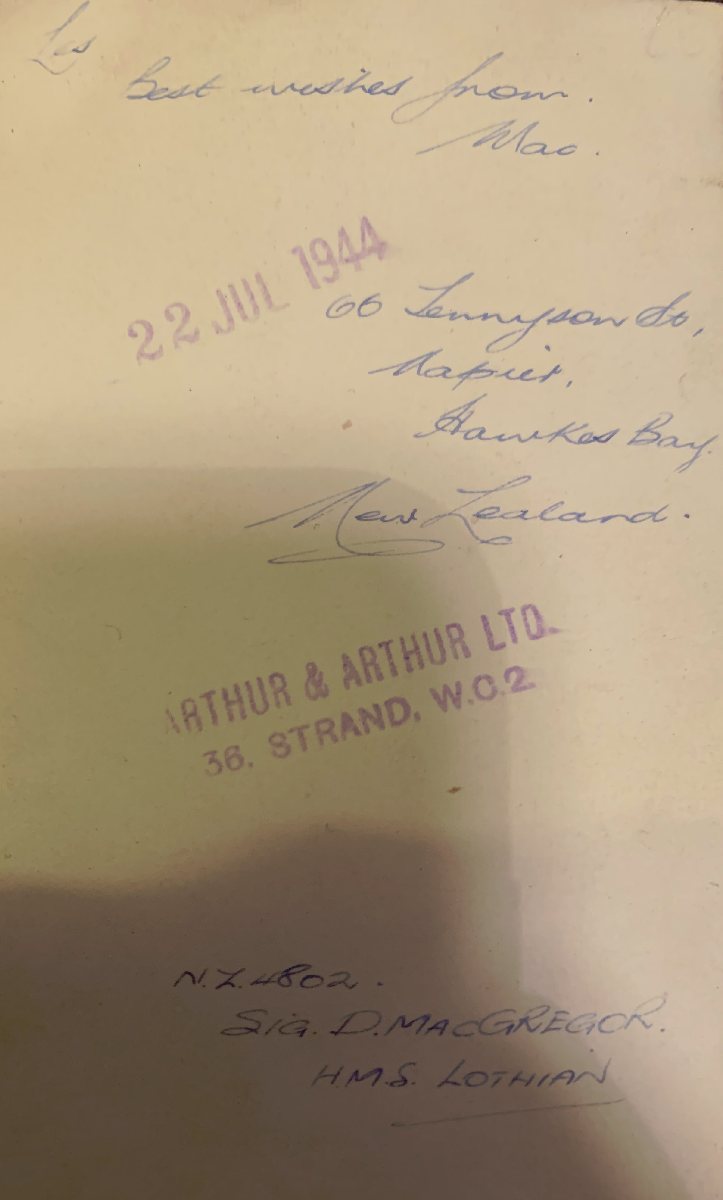 |
The back of the Photo. |
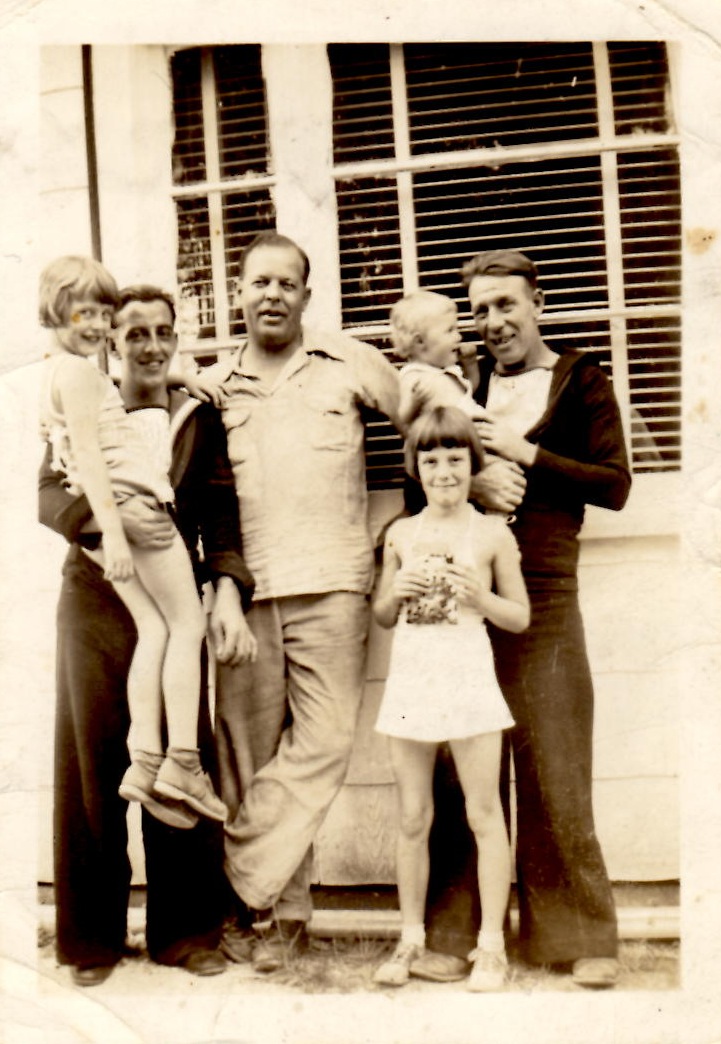
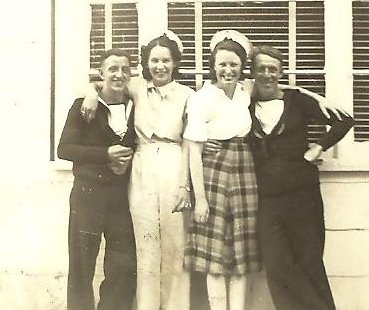
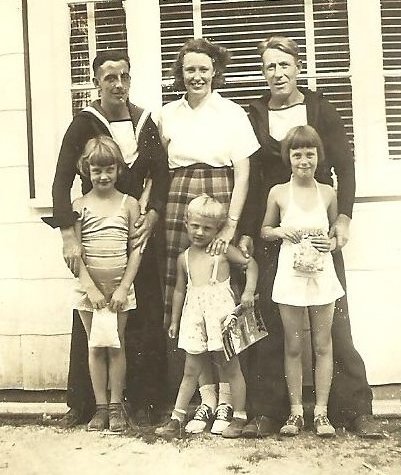
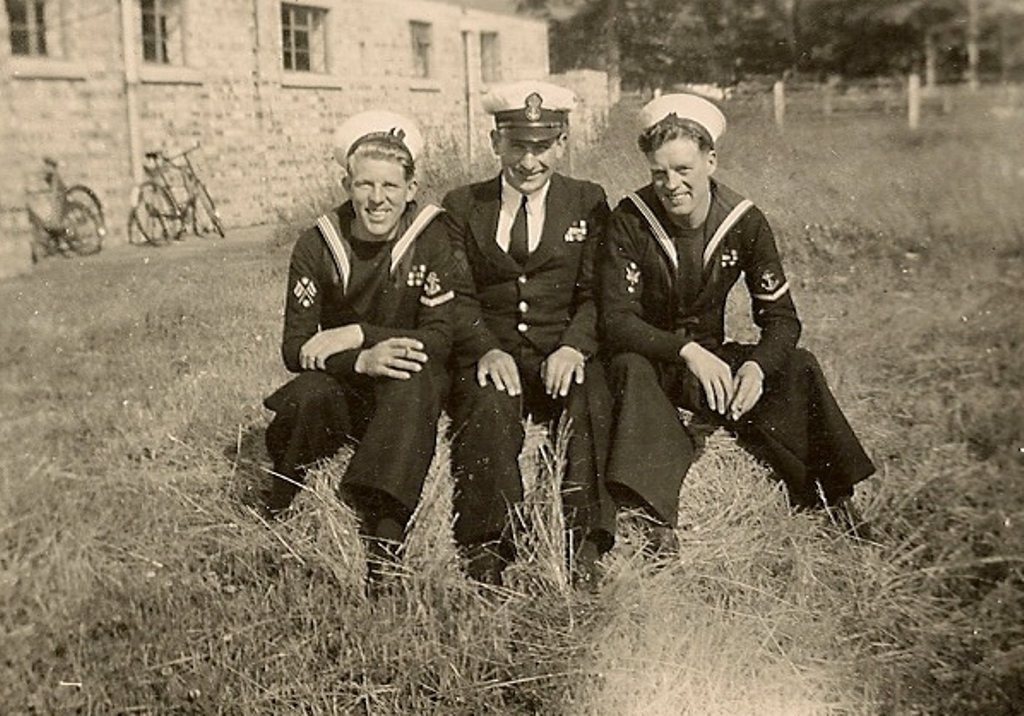
William Peter Mulholland is the sailor on the right in the photo opposite. He was known as Bill or Pete and also served on either HMS Sheffield or HMS Suffolk. |
 |
   |
|
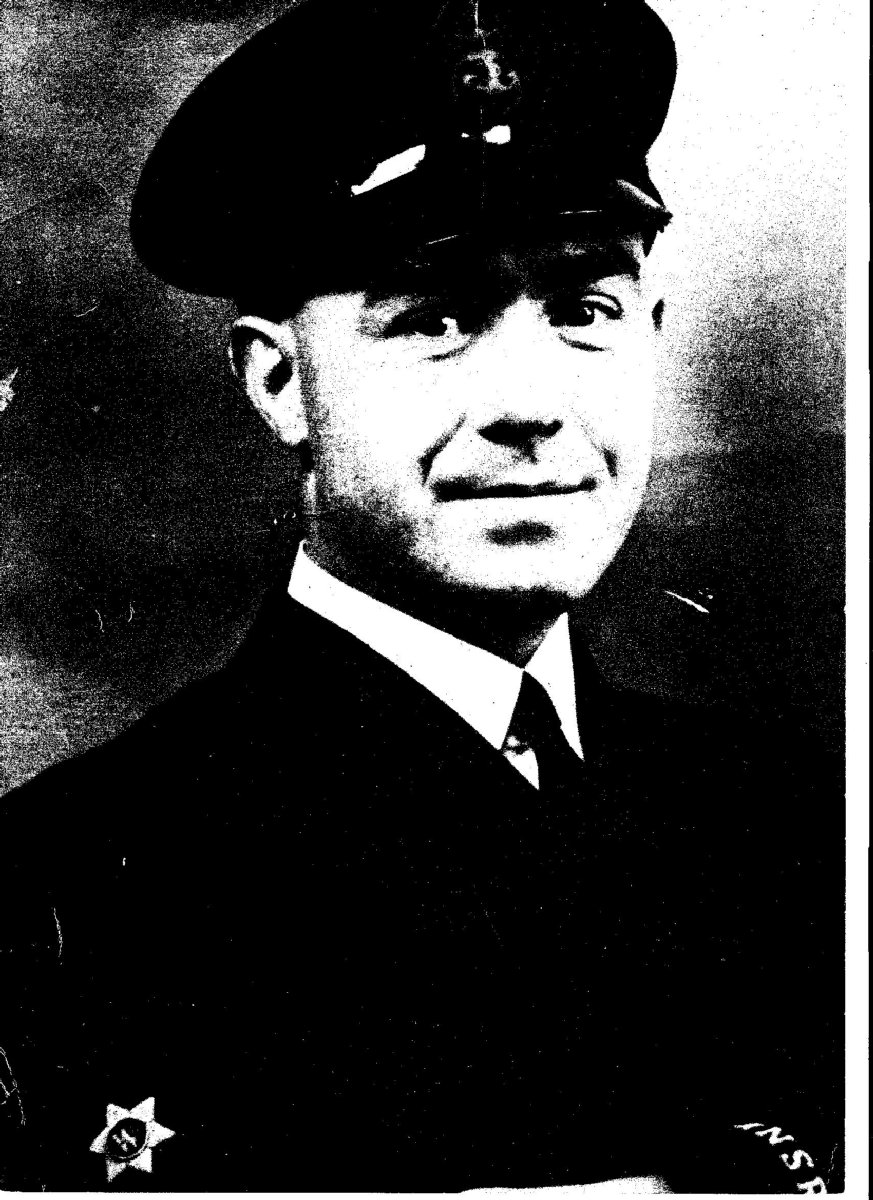
This is Petty Officer (RNVR) Charles Maurice Taylor (nicknamed Joe) who served aboard HMS Lothian during the war and travelled to the Far East on her. He came from Petworth in West Sussex. As with most who served he never spoke much about his experiences on board. He was trained in Radar engineering at Marconi in Chelmsford and was responsible for looking after the equipment on deck. As far as known, he served on HMS Lothian from her conversion to a warship until 1945. If you know anyone who knew him get intouch. |
 |
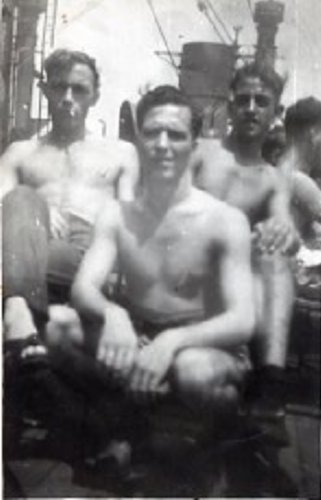 |
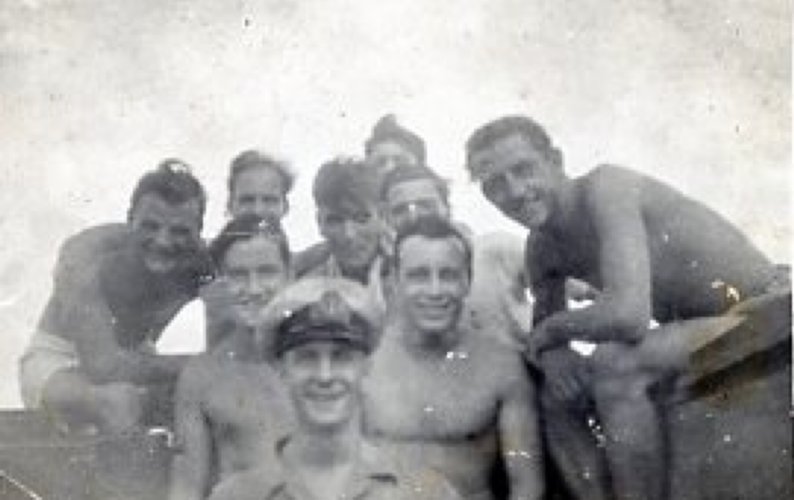
Here are some Photos with Kenneth (Ken) Shuker - Able Seaman Stoker. |
Here are some Photos with Kenneth (Ken) Shuker - Able Seaman Stoker. |
 |
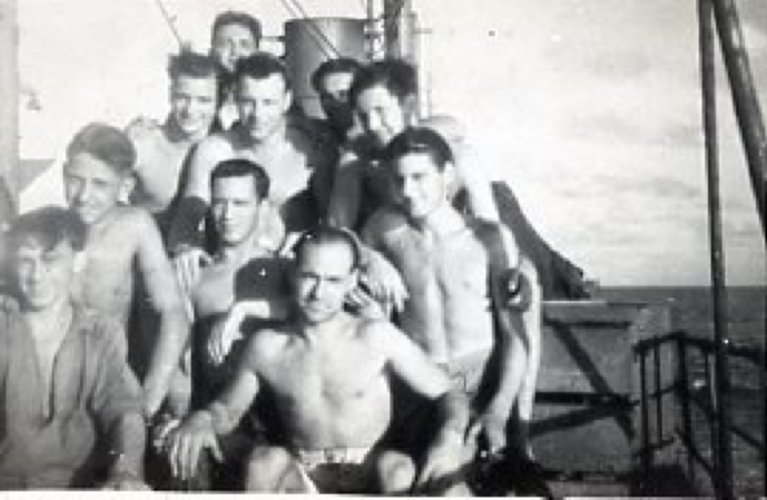 |
Here are some Photos with Kenneth (Ken) Shuker - Able Seaman Stoker. |
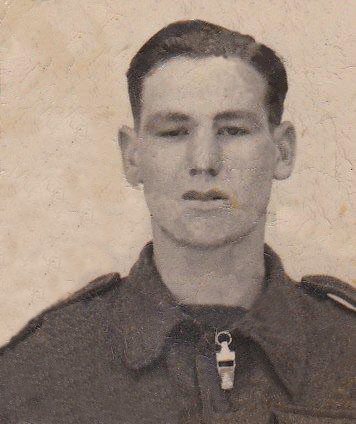 |
To the left is a photo of George Paish taken from his I.D. |
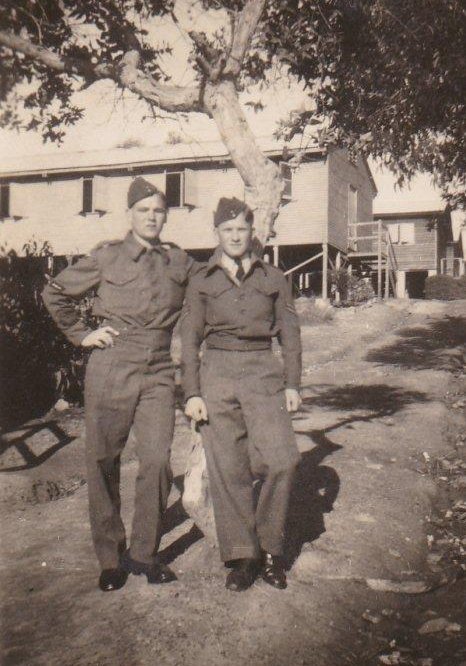
George is seen here with his mate Cpl Steve Sadler who is on the right. This was taken in Sidney while the ship was in dock, and they were stationed ashore. |
 |
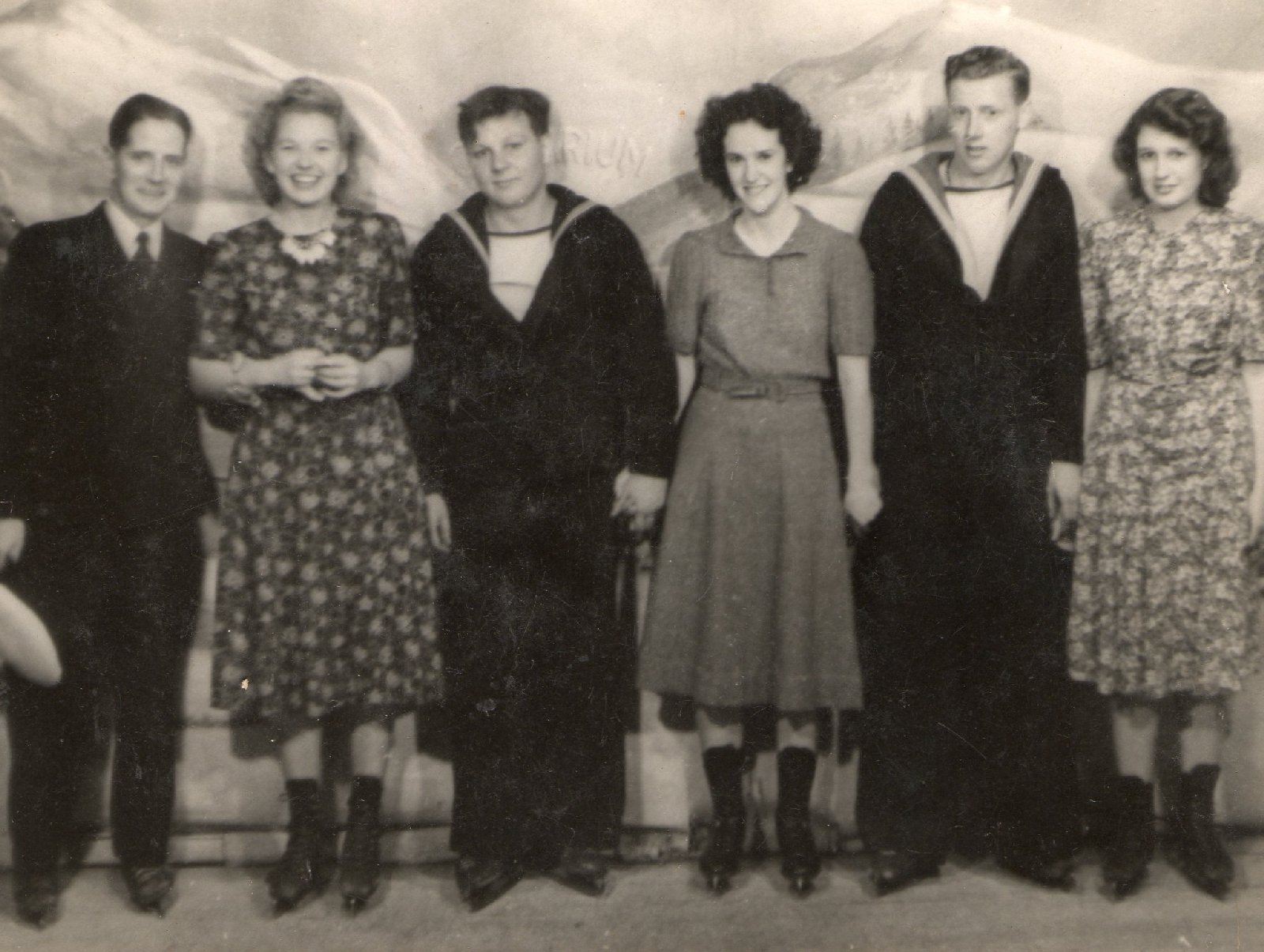 |
On leave enjoying a bit of Ice skating with locals |
sorry you have to type this in but we'd get tons of spam if we put in a link |
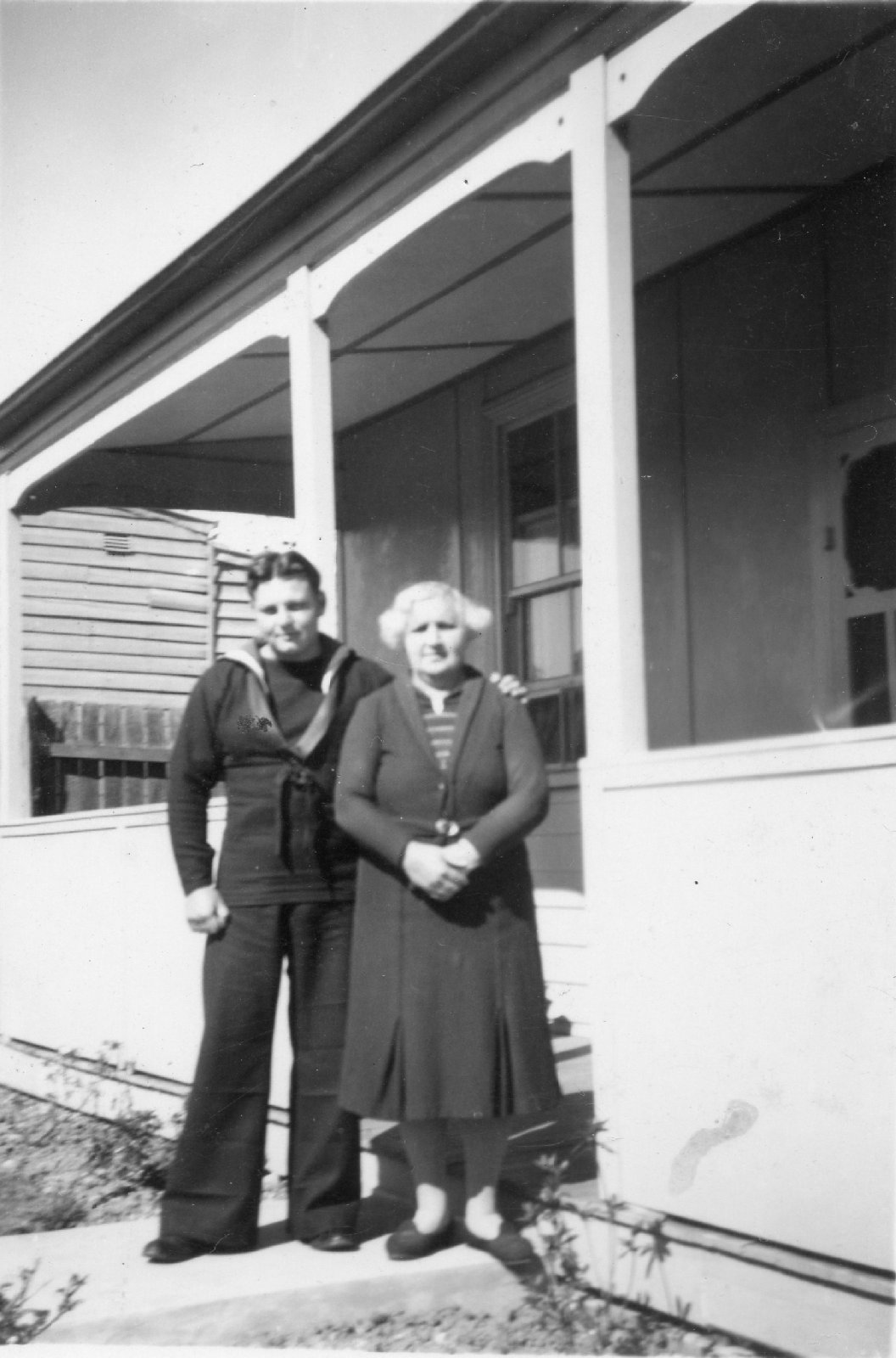 |
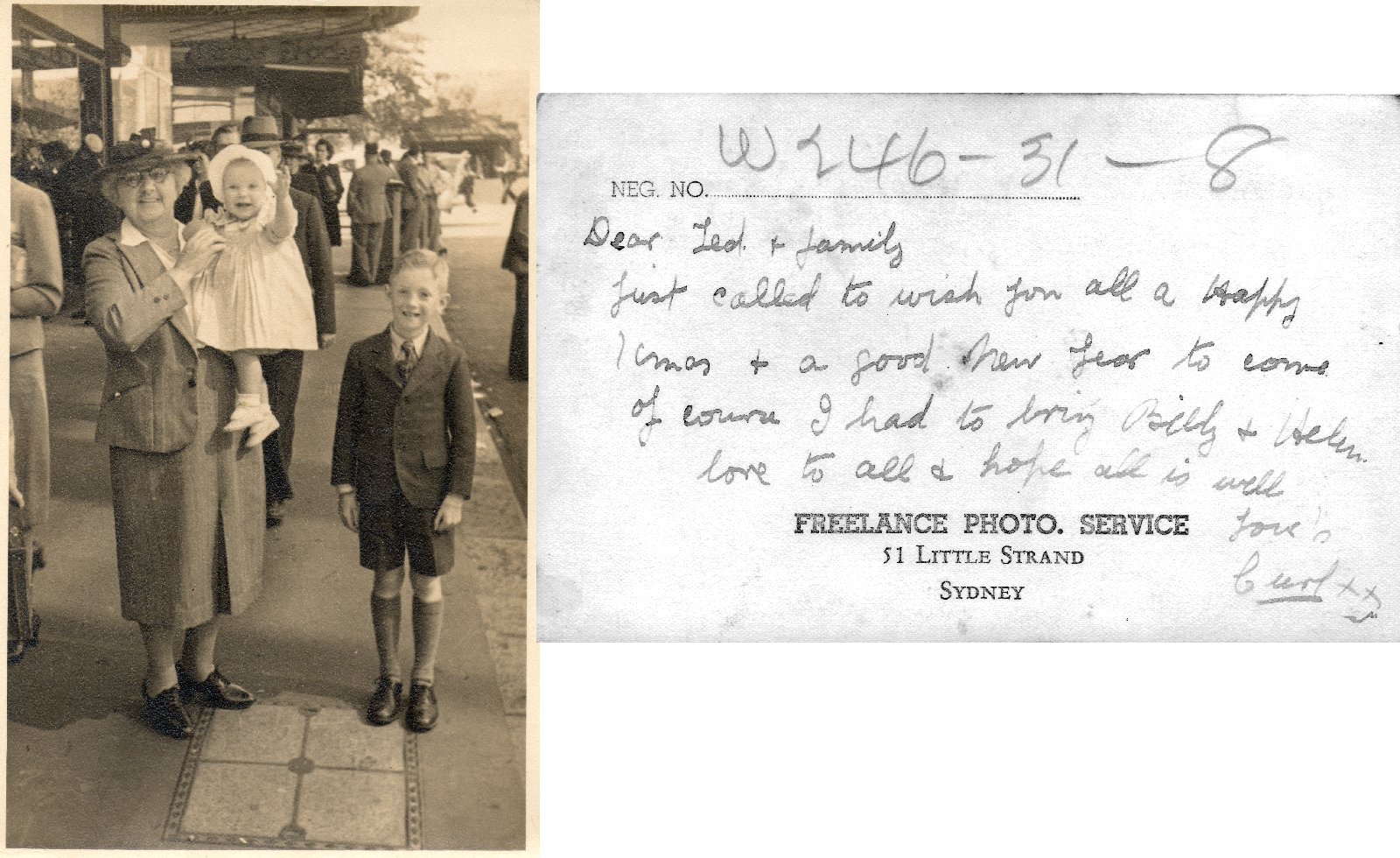 |
|
|
1925-1988 Born in the family Pub - Ship and Pilot Inn, Bristol
|
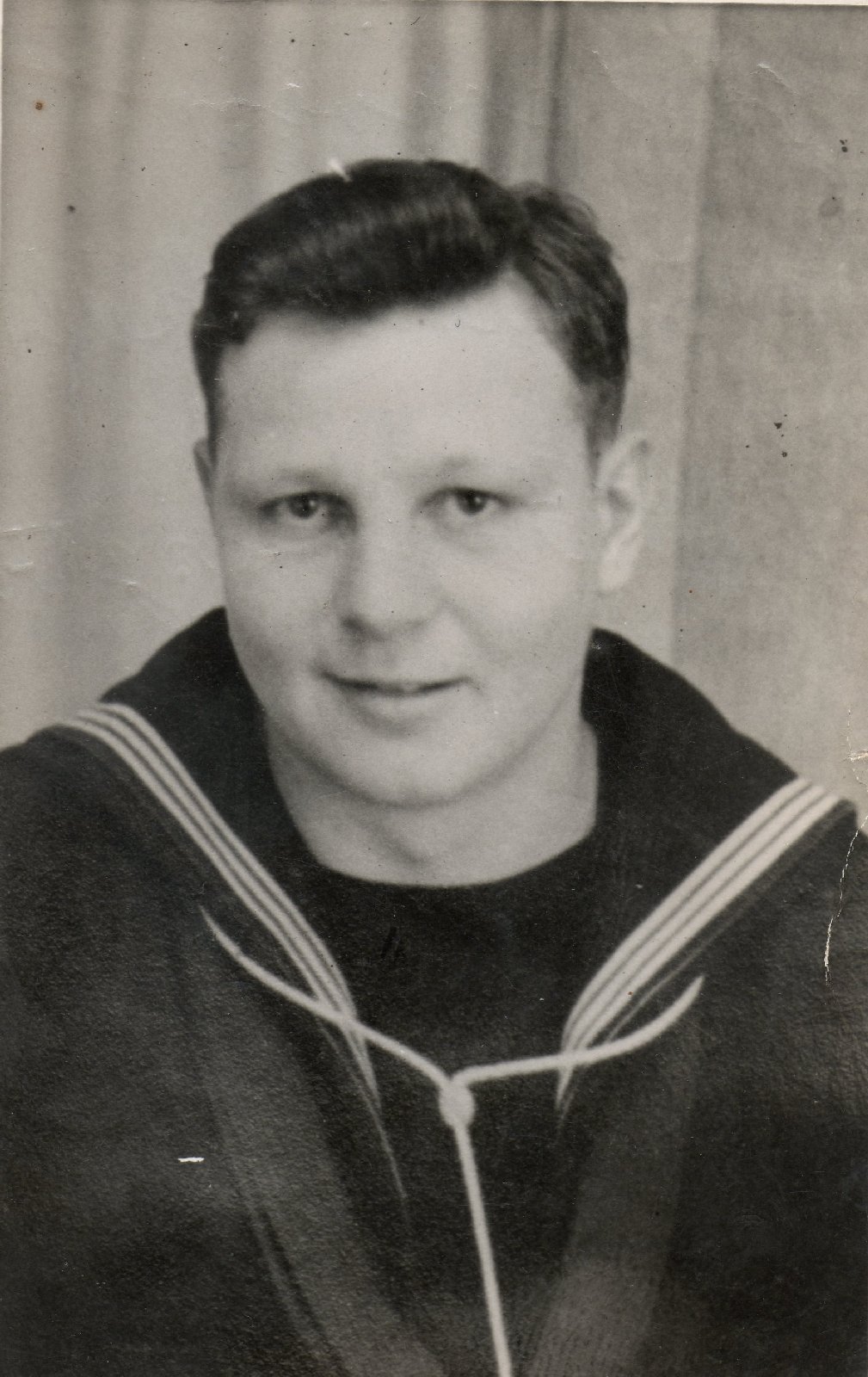 |
|
The
|
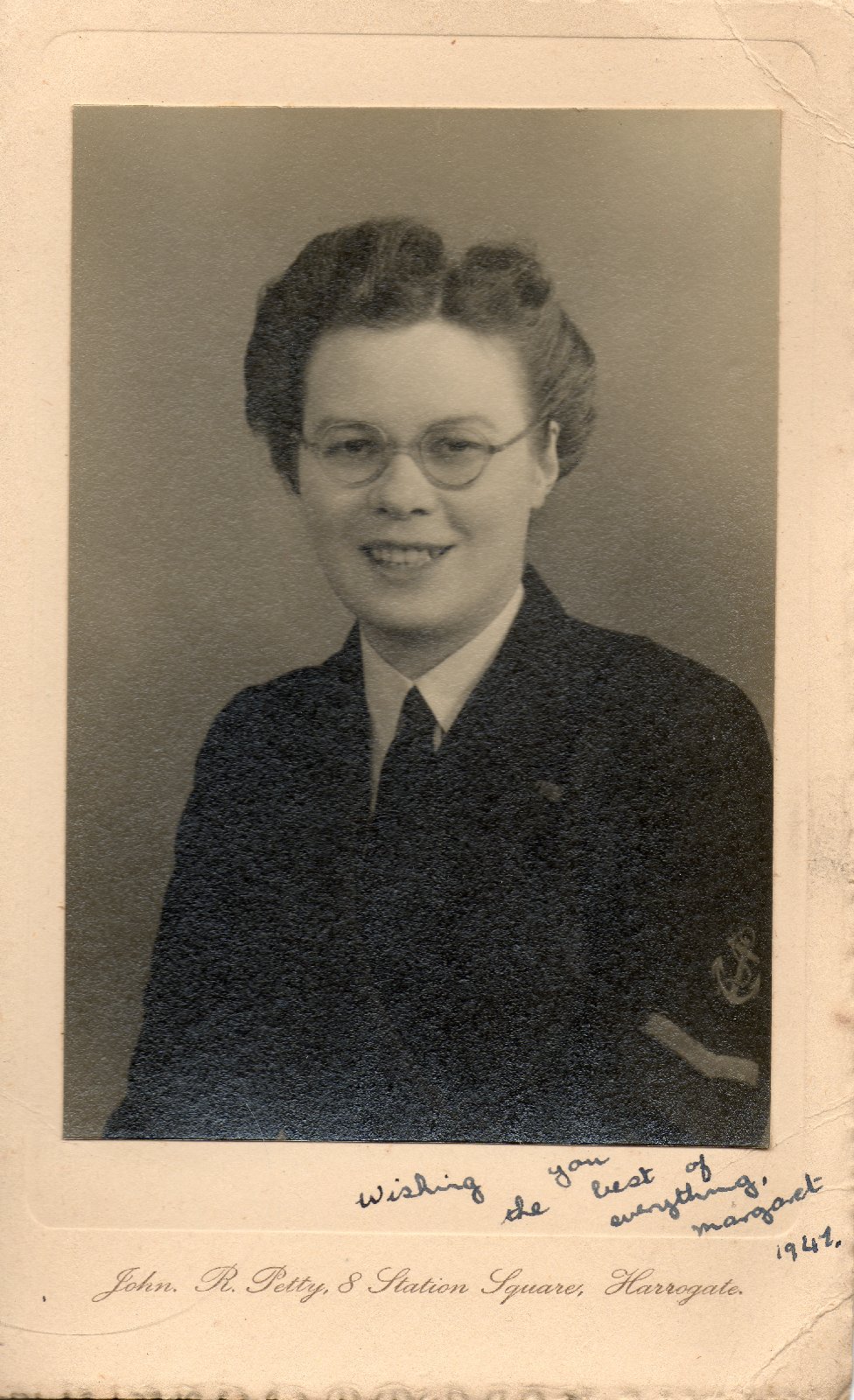
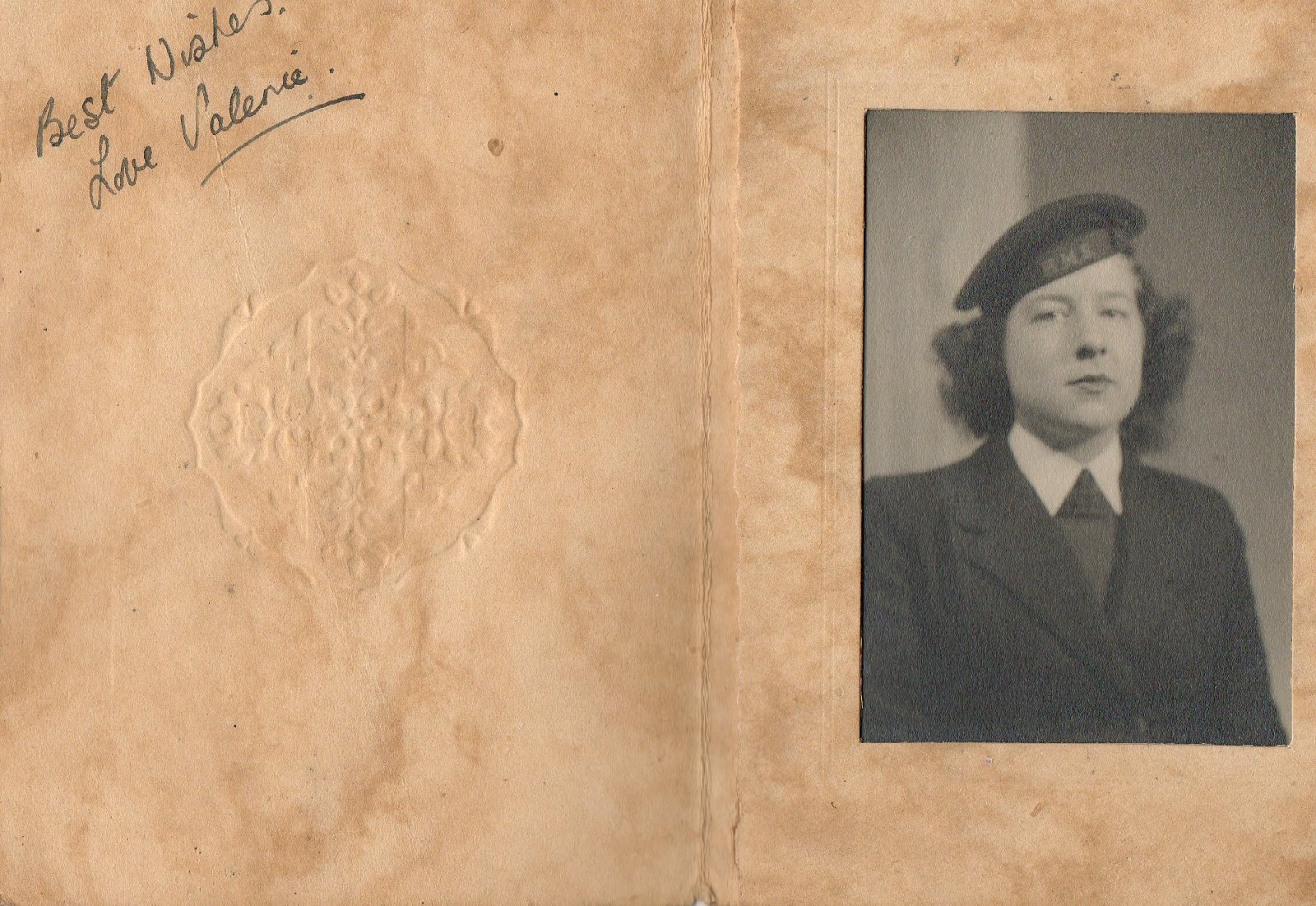
Wrens |
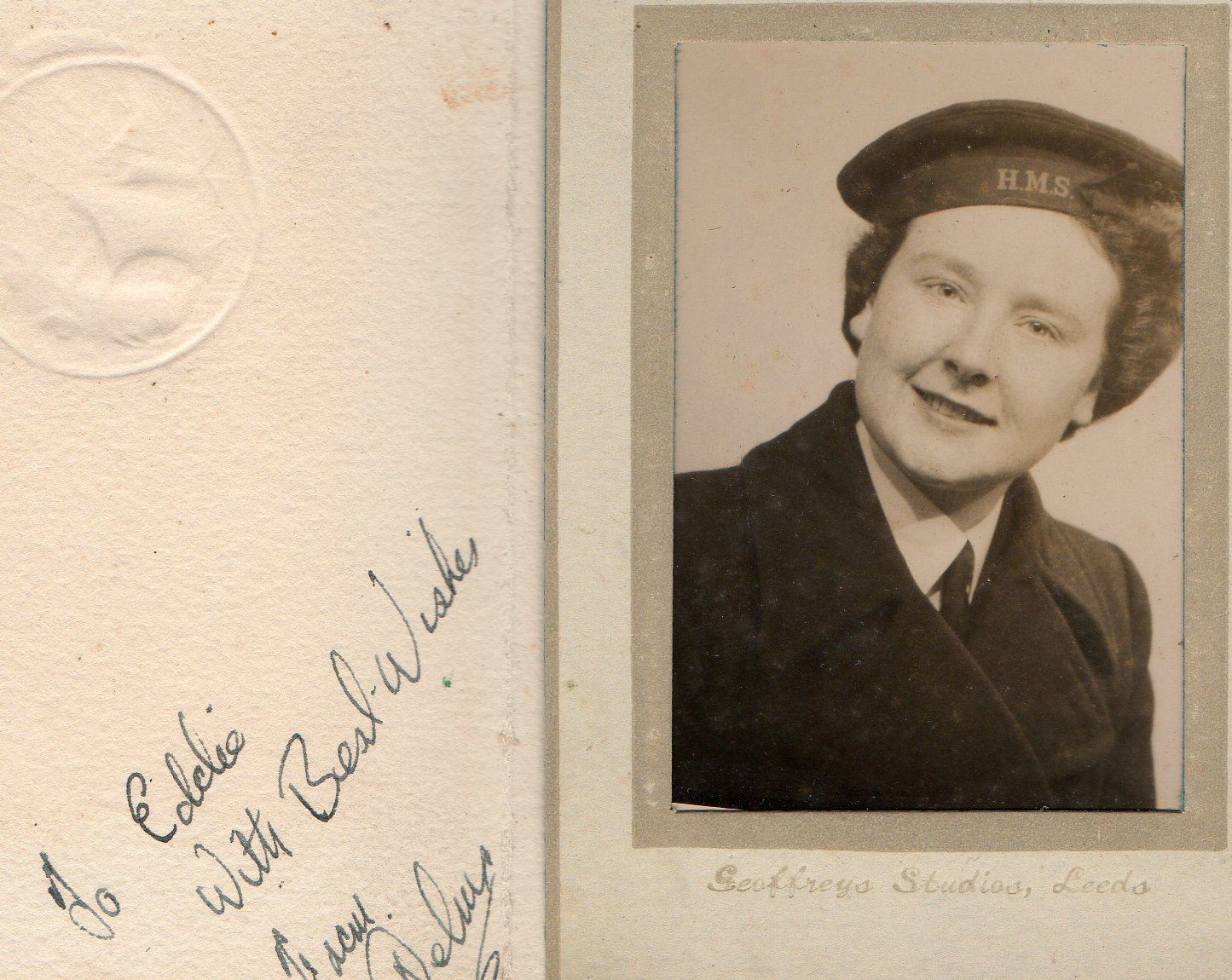 |
These may have been on the Lothian or Wrens they meet around the world |
 |
|
 |
|
|
Lothian |
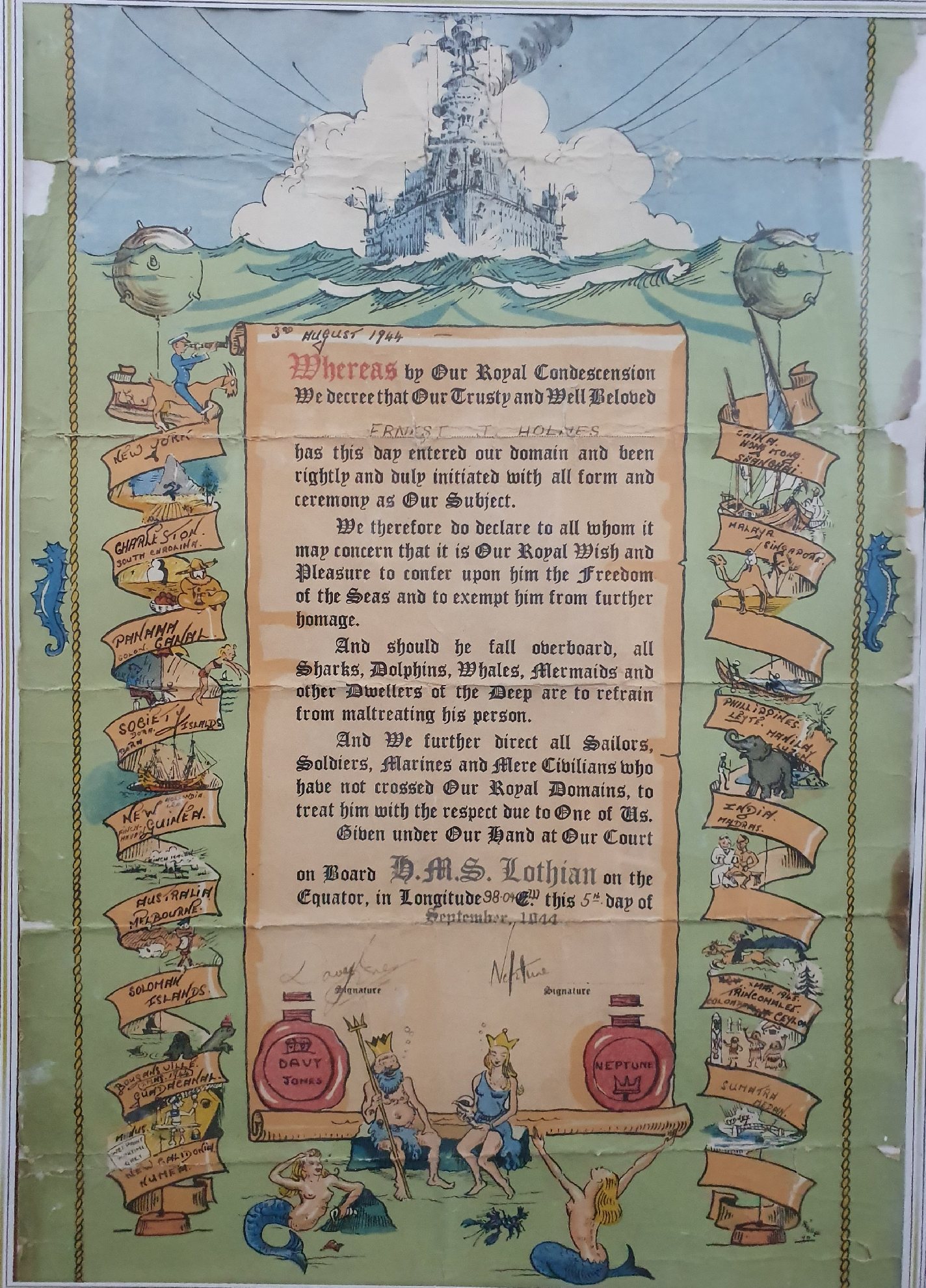
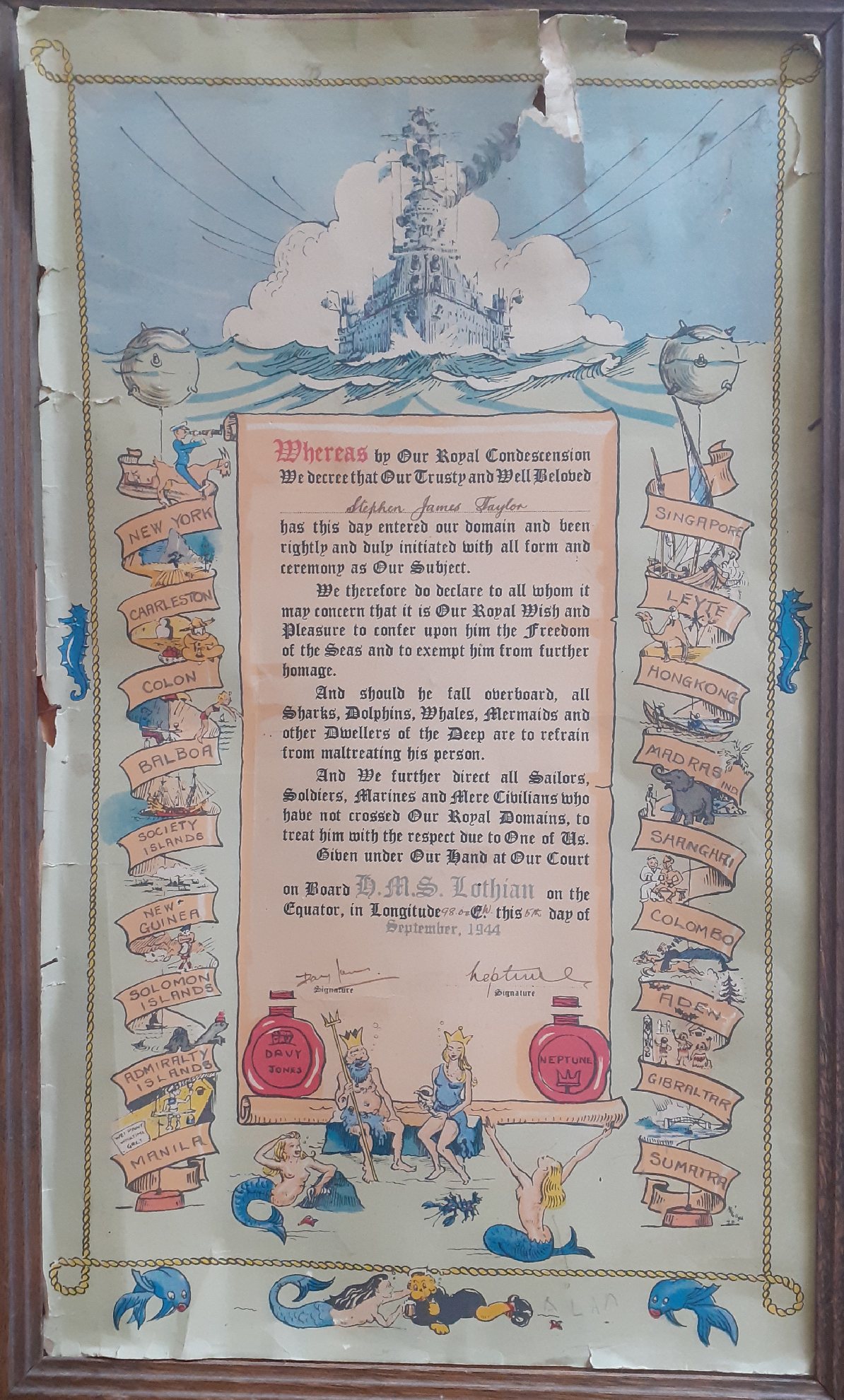
Documents |
What a great document to have |
|
|
SHIPS
LOG
|
1944-46 (67,000 miles) |
 |
|
 |
|
|
H.M.S.
Lothian
|
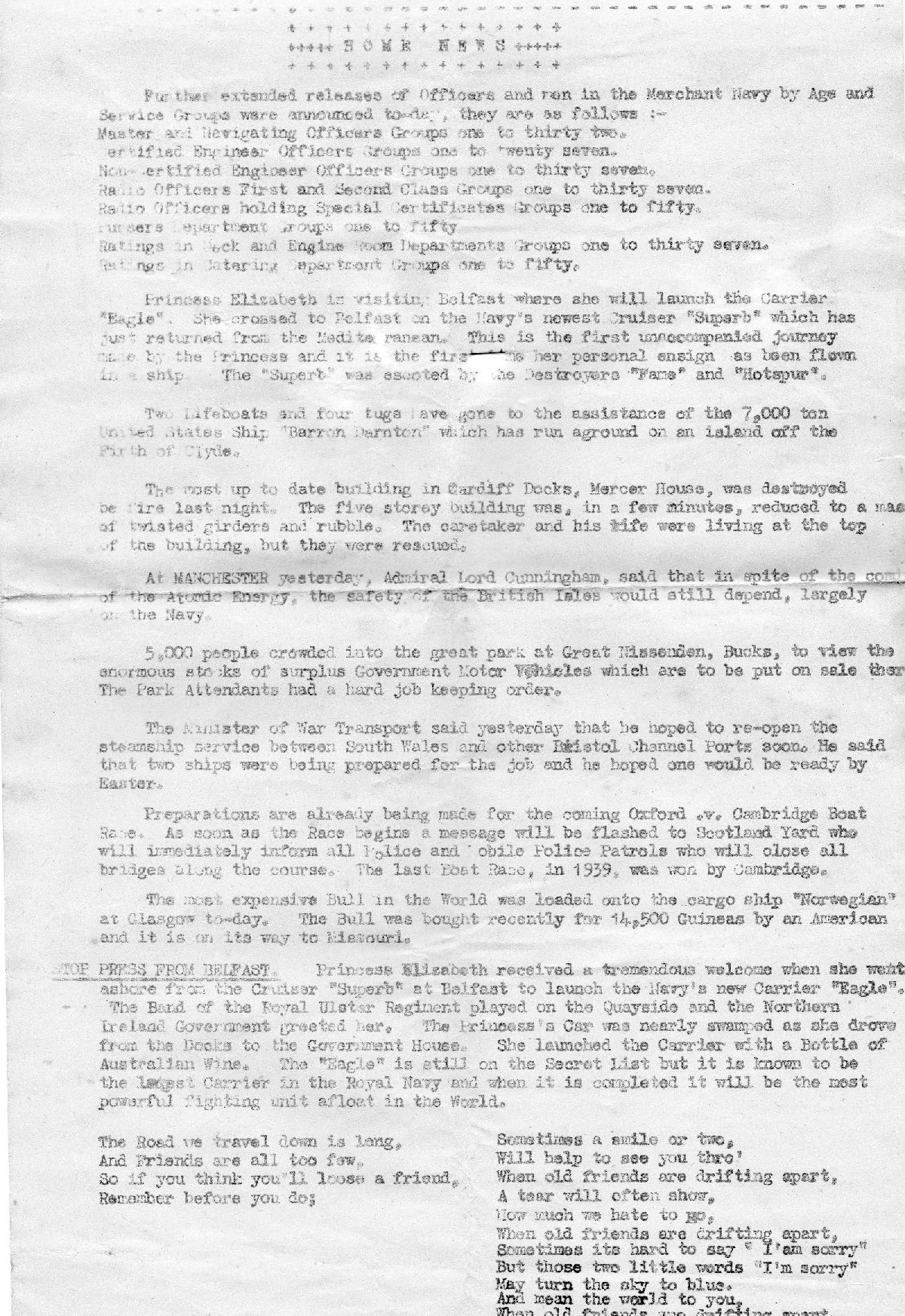
Daily News March 20th 1945 |
 |
|
 |
|
 |
|
|
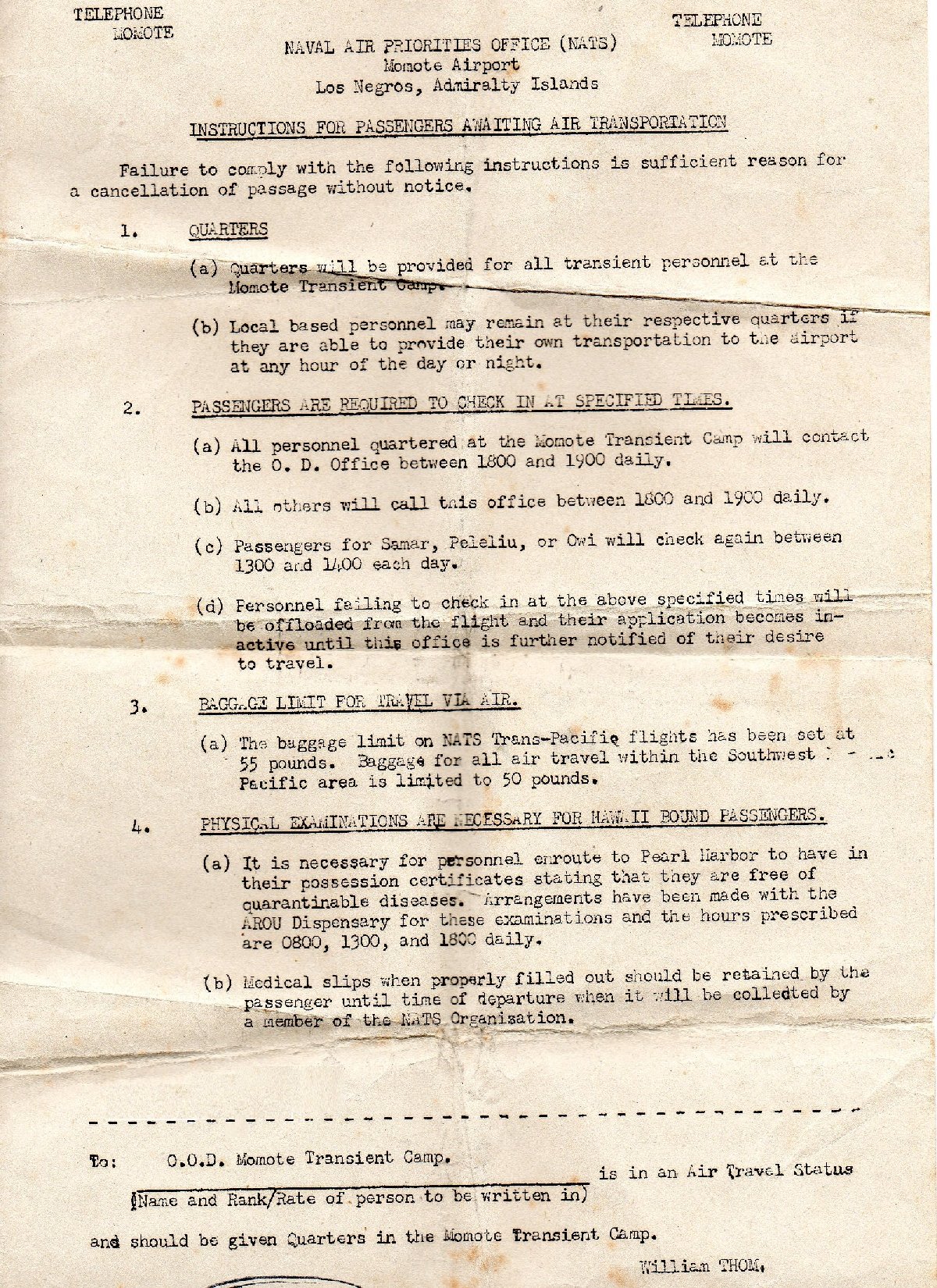
Travel
|
Papers |
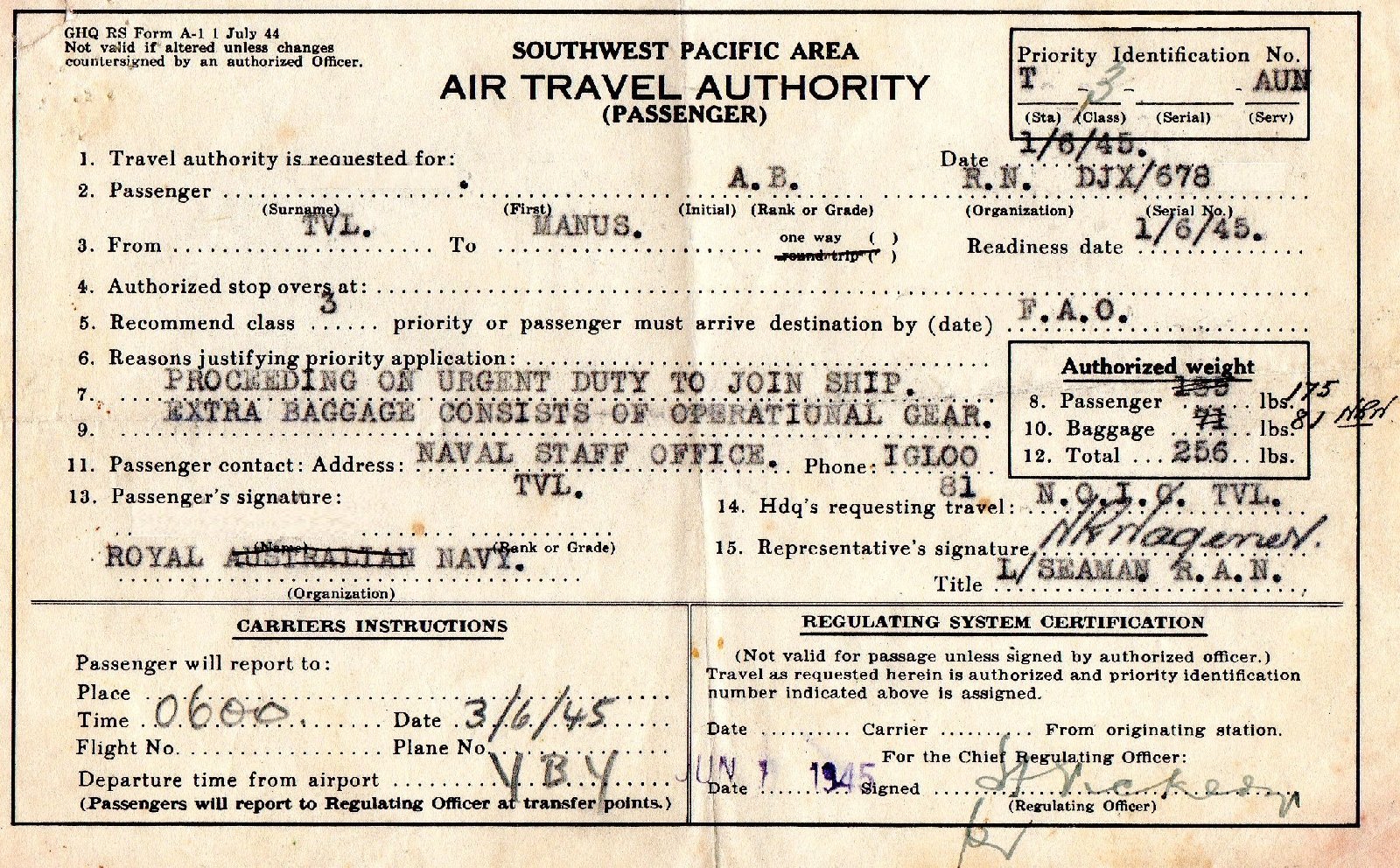 |
Name and No hidden |
 |
|
|
Certificates
of the
|
Service of, Papers |
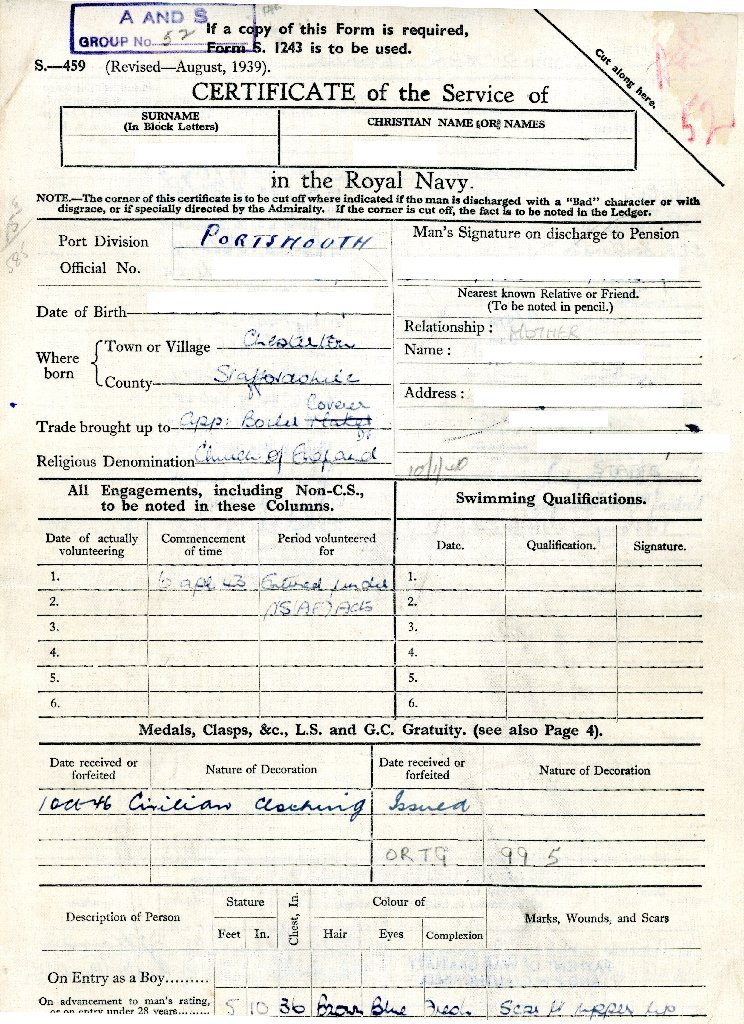 |
Name and No hidden |
Name and No hidden |
 |
 |
Name and No hidden |
Name and No hidden |
 |
|
|
|
|
HMS MONTCLARE - Depot Ship 1 9 4 5 On completion took passage to Manus in Admiralty Islands to
support of destroyers of British Pacific Fleet in Task Force
57 May Arrived at Manus for support of destroyers in BPF. 29th 31st
Took passage from Manus to Brisbane.
CITY OF EDINBURGH - 8,036 g.t., built 1938 by Cammel, Laird & Co, Birkenhead for Ellerman City Line. Employed on the USA - Australia - New Zealand route until 1939. 1941 caught fire at Takoradi and towed to sea to avoid blocking the port if capsized, but fire extinguished and repaired. Nov.1942 took part in convoy KMF4 carrying troops for Operation Torch (Invasion of North Africa). Sep.1943 taken over by Admiralty and converted to Landing Ship Headquarters for Pacific operations. July 1944 renamed HMS LOTHIAN and sent to join the U.S 6th fleet as part of Force X. 3rd Aug.1944 she left the Clyde for the Pacific via New York & Panama. Instead of 450, there were 750 aboard under the command of Rear Admiral A. G. Talbot, all in very cramped conditions with insufficient ventilation or water. 1st Sep. while docked at Balboa, an armed mutiny occurred and Royal Marines were used to quell the mutiny. This was the only armed mutiny in the Royal Navy since the 19th century. As there were no relief seamen available and nowhere to jail the mutineers, their sentences were suspended and the ship proceeded. 29th Sep, HMS LOTHIAN joined the U.S. 6th fleet at New Guinea but the Americans took no interest in the British force and after aimlessly sailing around the islands, she was sent to Sydney. Feb.1945 she became flagship to Rear Admiral D. B. Fisher and her duties were to control the transports arriving to supply the British Pacific Fleet. Sept, after the Pacific War ceased, she was used to evacuate civilians and prisoners of the Japanese from Singapore, Hong Kong and Shanghai. 1946 returned to Ellerman Line and reverted to CITY OF EDINBURGH. 1947 transferred to Ellerman & Bucknall ownership. Apr.1961 sold to Hong Kong Salvage and Towage Co and renamed CASTLE MOUNT for her last voyage to Hong Kong where she was scrapped the same year.
Scope and content - Mutiny aboard HMS LOTHIAN, Balboa, Panama Canal Zone, 1 September 1944: Courts Martial of three seamen Covering dates - 1944 Oct 27 - 1945 Dec 19 Availability - Open Document, Open Description, Normal Closure before FOI Act: 30 years Former reference (Department) - CASE 6907 Note - See also ADM 156/258B, ADM 156/259, ADM 178/237 Held by - The National Archives, Kew
Royal Signals Afloat - Visual signalling For many years detachments of army signallers have been employed on board HM ships for communications in amphibious warfare, and logistics supply vessels. Their use began before the second world war but the formation of Combined Operations HQ under Lord Louis Mountbatten, himself a former naval signals officer, in 1942 led to the rapid expansion of the service. In 1942/43 four HQ Ship Signal Sections, as they were termed, were formed to join HMS BULOLO, LARGS, HILARY and LOTHIAN, vessels converted for combined operations and known as LSH(L). The Royal Signals sections worked alongside the Naval communications ratings controlling the radio nets between HQ staffs and the troops ashore. The first three named took part in Operation NEPTUNE, on the Eastern Task Force for the Normandy landings in June 1944, as HQ ships each controlled a division. HMS LOTHIAN with No. 4 Ship Signal Section was deployed to the Pacific where it remained in support of Australian and US forces until the Japanese surrender.
My father, Leading Stoker Albert Peach KX164198 service records give the bare bones of his history, could some kind person/people add more information so that I have more details about his early service history. 6th Jan - 9th Feb 1943 HMS Duke, Stoker 2nd Class. (New entry stokers ?) 10th Feb 1943 Passage. (Travel to HMS Drake?) 11th Feb 1943 HMS Drake (ex HMS Marshal Ney, shore base?) 12st Feb - 22nd Feb 1943 HMS Newcastle (Refit completion in HMS Dockyard, Davenport?) 23rd Feb - 1st Mar 1943 HMS Drake. 2nd March 1943 Travelling (?) 3rd March - 31st March 1943 HMS Drake 1st April - 23rd Sept 1943 HMS Spartiate (St Enoch's Hotel, Glasgow?) 24th Sept 1943 Passage (What is the difference between 'passage' and 'travelling'?) 25th Sept - 26th Oct 1943 HMS Duke 27th Sept Passage 28th Oct - 25th Nov 1943 HMS Drake 26th Nov 1943 - 5th Jan 1944 HMS Paris (former French ship, base for minesweepers, Plymouth) 6th Jan - 9th May 1944 HMS Paris (promoted to Acting Stoker 1st Class) 10th May - 15th May 1944 HMS Darke 16th May 1944 - 3rd May 1945 HMS Lothian (I have the history of HMS Lothian and the mutiny) 4th May 1945 - 12th June 1946 (promoted to Temporary Acting Leading Stoker) 13th June - 1st July 1946 HMS Drake 2nd July - 27th December 1946 HMS Imperiuse 27th December 1946 'Albert Peach was released to shore in Class A. He seems to have been moved around a lot. Would he be allowed leave during his training period and before sailing on HMS Lothian? For his time on HMS Lothian I have read 'Mutiny in Force X' by Bill Glenton. Not much to say really: DUKE – was a training establishment at Great Malvern, for new entry Stokers DRAKE – is the naval barracks at Devonport. MARSHAL NEY – an old World War One Monitor, used at Devonport as an accommodation ship for those at Drake barracks NEWCASTLE – a light cruiser. In February 1943 she was indeed completing a refit at Devonport Dockyard SPARTIATE – name for shore base/depot at Glasgow LOTHIAN – landing ship, ex-merchant vessel taken over & converted IMPERIEUSE – complex of old ships at Devonport, used as accommodation & training for Stokers I do not think there is any difference between passage and travelling Yes, he would have been granted leave at various times |
|
|
sorry you have to type this in but we'd get tons of spam if we put in a link |
|